
How Long Does a Roof Last in CT? Lifespan by Material
The material sets the range. Ventilation, shade, slope and the quality of the original install decide where in that range your own roof ends up.
Sunday to Friday
In Connecticut, 3-tab asphalt shingles typically last 15–20 years and architectural shingles 20–30. EPDM flat roofs typically run 20–30 years, TPO 15–25, metal 40–70, cedar shake 20–40 and slate 75–100+. A hot, poorly vented attic, heavy shade, repeated ice dams and freeze–thaw cycles can push any roof toward the short end of its range.
Typical lifespan by roofing material
These are typical ranges, not promises. Connecticut winters and the factors further down this page can shorten any of them, and a well-built, well-ventilated roof can beat them.
| Material | Typical lifespan | What usually ends its life |
|---|---|---|
| 3-tab asphalt shingles | 15–20 years | Thin single-layer tabs curl, crack and lift in wind |
| Architectural asphalt shingles | 20–30 years | Granule loss and drying on sunny slopes, failed seal strips |
| EPDM rubber (flat roofs) | 20–30 years | Seam and flashing failure, shrinkage at the edges, punctures |
| TPO (flat roofs) | 15–25 years | Aging of the membrane and its welded seams, flashing details |
| Metal | 40–70 years | Worn fasteners and washers on exposed-fastener panels, coating wear, flashing |
| Cedar shake | 20–40 years | Rot, splitting and moss on shaded, slow-drying slopes |
| Slate | 75–100+ years | Flashing and nails wear out long before the stone does |
Why Connecticut roofs land where they do
Our weather works a roof harder than the national averages assume. Freeze–thaw cycles open small cracks and loosen fasteners every winter, nor’easters drive rain sideways under shingle edges, and heavy wet snow sits on the roof for days. Summer then bakes the south and west slopes, which is why those sides of a house usually wear out years before the north side.
Trees are the other local factor. Mature oaks and maples over many Connecticut homes drop limbs in storms, fill valleys and gutters with leaves, and keep slopes shaded and damp, which feeds moss and slows drying. Near the shoreline around New Haven, salt air also speeds corrosion of metal flashing and fasteners.
Older houses add their own wrinkles. Many capes and colonials were built with little attic ventilation, and some have roofs laid over an earlier layer. Both conditions take years off the shingles above them.
Storms can also end a roof early, regardless of age. A strong nor’easter or the remnants of a tropical system can strip enough shingles, or drop a heavy enough limb, that a roof with years left on paper has to be replaced. If that happens, start with the steps on our storm damage repair page.
Repair or replace?
Five quick questions for a rule-of-thumb answer.
Six things that shorten a roof’s life
Two houses with the same shingles, installed in the same year, can need new roofs a decade apart. These are usually the reasons.
A hot, poorly vented attic
Without steady airflow from the soffits to the ridge, summer heat cooks shingles from below and winter moisture condenses on the decking. Proper roof ventilation is one of the cheapest ways to protect a new roof.
Shade and constant moisture
Slopes that never dry out grow moss and algae, and cedar in particular rots faster under overhanging trees. Trimming branches back from the roof helps every material.
A second layer
Shingles laid over an old roof trap more heat and sit on an uneven base. They typically wear out sooner than the same shingles installed on a clean deck.
Shortcuts during installation
Nails placed too high, missing starter strips at the edges, reused rusty flashing and no ice barrier at the eaves all lead to early failure, even with good materials.
Clogged gutters
Water that cannot drain backs up under the first course of shingles and rots the roof edge, and in winter it feeds ice dams along the eaves.
Holes added later
Every satellite dish mount, antenna bracket or new vent cut in after the fact is a fresh opening. Each one needs proper flashing, not just a bead of sealant.
Notes on each material
Asphalt covers most Connecticut houses, and the gap between 3-tab and architectural shingles is mostly thickness: the laminated architectural shingle resists wind and weather longer. Our page on asphalt shingle roofing compares the two in more detail.
Metal roofs last longest when the fasteners are hidden. Standing seam panels usually sit at the top of the range, while exposed-fastener panels need the screws and washers checked and replaced over the years. More on the options is on our metal roofing page.
Flat roofs depend on their seams and edges. A rubber or TPO membrane with ponding water, or with flashing that pulled away at a wall, can fail early even though most of the sheet is fine; see flat roof repair and replacement.
Cedar shake rewards sun and airflow and suffers under trees. A shake roof on an open lot can reach the top of its range, while one in deep shade may not see the middle.
Estimating how many years your roof has left
You can get a fair estimate with a little detective work before anyone climbs a ladder.
- Find the installation year from receipts, your closing paperwork or a reroof permit at your town’s building department
- Identify the material and, for asphalt, whether the shingles are flat 3-tab or thicker, dimensional architectural
- Subtract the age from the typical range for that material, using the low end if the attic is poorly vented or the roof is heavily shaded
- Look at the south and west slopes with binoculars, since they show wear first
- Check the downspout outlets after a heavy rain for granules
- Look in the attic for stains, damp insulation or daylight
- Count past leak repairs; a growing list is a sign the roof is near its end, whatever its age
- Note any major wind or hail event the roof has been through; patched storm damage can age the shingles around it
Planning around the years that are left
Knowing the remaining life matters most when another decision depends on it. Solar panels are the clearest example: they are meant to stay up for decades, and taking them down and putting them back for a reroof adds real cost. If the roof under a planned array has less than about ten years left, replacing it first is usually the better order.
A home sale is the second case. Buyers and their inspectors ask about roof age early, and a roof in the last few years of its range tends to come up in negotiations whether or not it leaks. Knowing the answer before you list lets you choose between replacing, repairing or pricing it in.
The third is simple budgeting. A roof with five to eight years left gives you time to set money aside and pick the season, instead of signing a contract in February because a slope finally gave out. When a repair comes up in that window, our repair or replace guide helps you decide how much to spend on the old roof.
On a slate roof, rusted nails or worn flashing do not mean the slate is finished. Re-flashing and replacing broken pieces can keep a sound slate roof going for decades, so get a slate repair assessment before anyone prices a tear-off.
Getting a realistic lifespan estimate from A Class
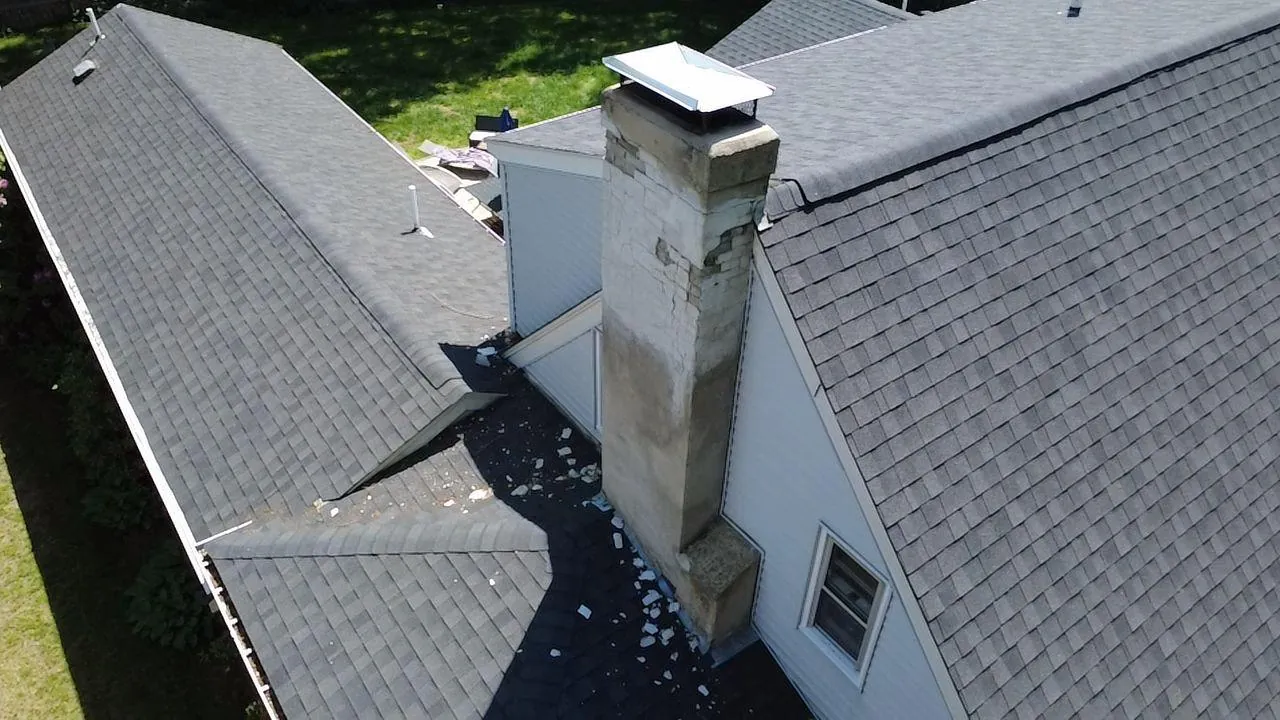
Typical ranges only take you so far. If you are budgeting, buying a house or weighing a repair, the roof itself holds the answer: call (203) 779-6787 or use the request form, and we will examine it from the drone and on foot where safe, plus the attic underneath.
You get photos and a straight estimate of how many years the roof likely has left, along with anything that would stretch that number, such as better ventilation or new flashing. If work makes sense now, the price is in writing before anything is scheduled; if it does not, we will tell you that and suggest when to look again. The visit costs nothing.
Prefer we call you?
Three quick taps and a real person from A Class Chimney calls you back to set up a free roof inspection.
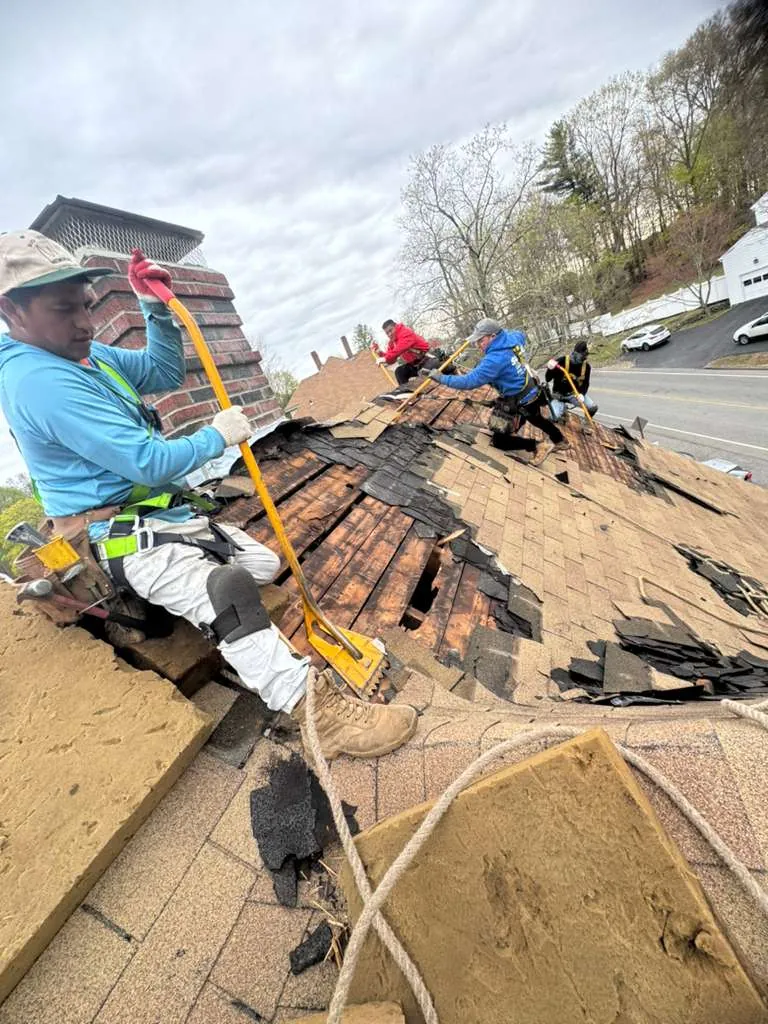
- Free roof inspection and written estimate
- Photos of everything we find
- A written price before any work starts
- Licensed and insured in Connecticut
Sunday to Friday
What do you need?
When?
Where should we call you?
Free, no obligation. Privacy
Common roofing questions
Have us look at your roof
Free roof inspection, photos of what we find and a written price before any work. Licensed and insured in Connecticut.