
Slate Roof Repair in CT: Broken Slates, Flashing & Leaks
A good slate roof can outlive several owners, but its flashing and nails wear out long before the stone does. Careful repairs keep it going; rough ones shorten its life.
Sunday to Friday
Most slate roofs in Connecticut need repair, not replacement: the slates themselves typically last 75–100+ years, while flashing and fasteners are what fail. Broken or slipped slates are replaced one at a time with matched stone and worn flashing is renewed, usually $500–$3,000 as a ballpark, and full replacement is only worth discussing when the slate is soft and flaking across the roof.
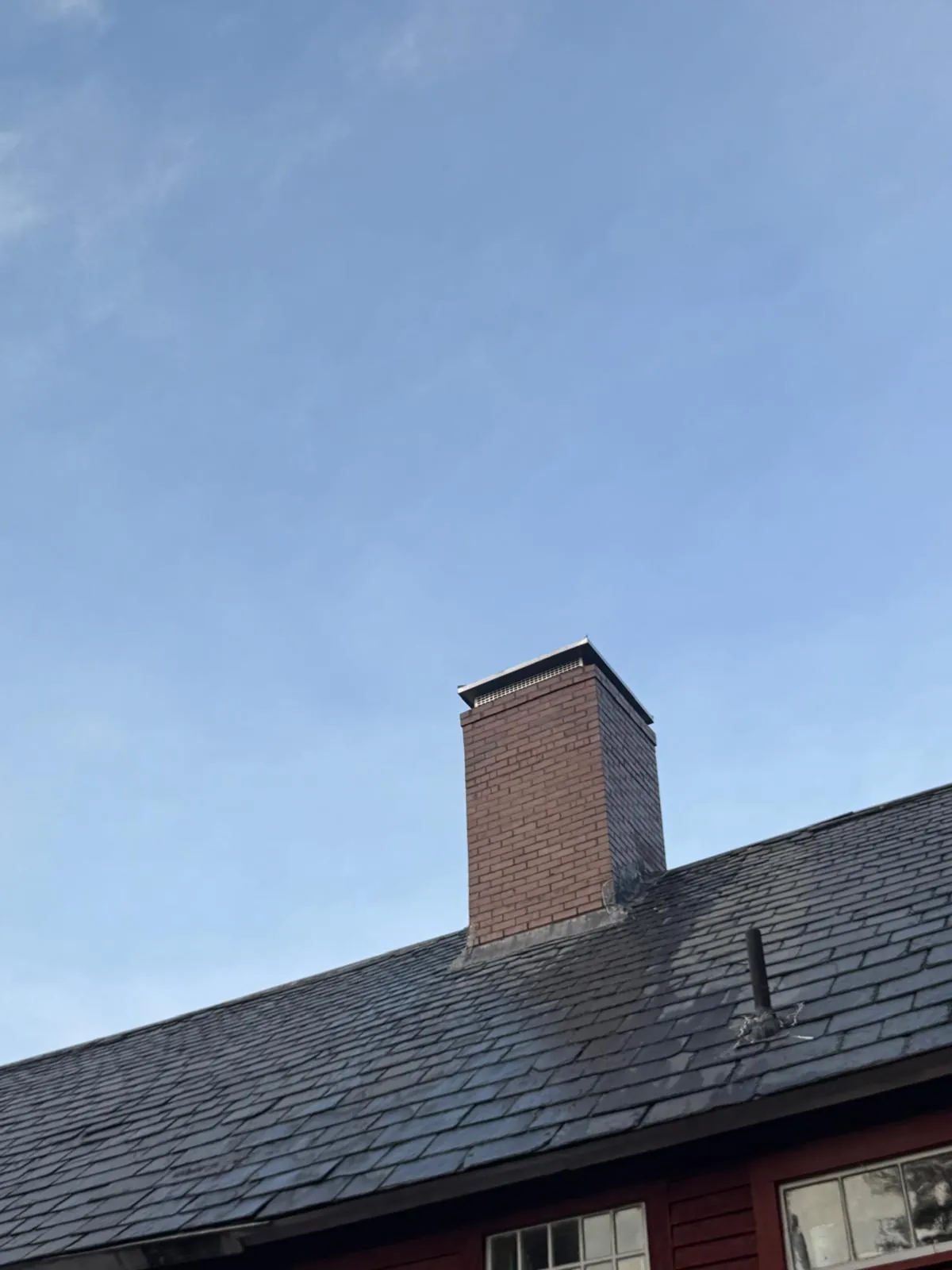
Why slate roofs leak while the stone is still good
Slate is quarried stone, and sound slate barely changes over a century. The weak points are everything around it: the nails holding each piece, the flashing at chimneys, valleys and walls, and the ridge. On a Victorian or an early twentieth-century colonial, those parts may be original, and iron nails and old valley metal can rust through decades before the slate itself gives out.
When a nail lets go, the slate slides down out of its course and leaves a gap. Freeze–thaw cycles and ice building at the eaves can crack slates, and limbs falling from big trees shatter them. People do damage too: slate breaks under the weight of anyone who walks on it without knowing how, which is why cracked pieces often appear after a painter, antenna installer or gutter crew has been up there.
Leaks on slate roofs most often trace back to chimney flashing, valleys, and missing or slipped slates. Water can run a long way along the deck before it shows on a ceiling, so finding the real entry point matters more than the patch; our page on roof leak repair explains how that tracing works.
Repair or replace a slate roof?
Slate roofs are usually maintained slope by slope for decades. These signs help tell which situation yours is in.
| What the roof shows | Usually means | Typical next step |
|---|---|---|
| A handful of cracked, slipped or missing slates | Normal wear or impact damage | Replace individual slates with matched stone |
| Leaks at a chimney, valley or wall | The flashing has worn out; the slate is probably fine | Renew the flashing and reuse the sound slate around it |
| Many slipped slates in one area | Nails rusting through on that slope | Re-secure or re-lay that section |
| Stone that flakes, feels soft or crumbles at the edges on most slopes | The stone itself has reached the end | Talk through replacement |
| Tar or roof cement smeared over slates and flashing | Old quick fixes covering a problem | Remove the patches and repair it properly |
Roof problem checker
Tick what you have noticed and see what it usually means.
How a proper slate repair is done
A broken slate is removed without disturbing its neighbors: a flat tool called a slate ripper slides up under the piece to cut its nails. The replacement is matched for size, thickness and color, then held either with a slate hook or with a nail covered by a small metal bib, so no nail head is left exposed to water.
Matching matters. Roofs in Connecticut carry slate from several regions, and the colors age differently: some grays and greens weather to softer tones while others hold their original color. Salvaged slate from the same era is often the closest match on an older roof.
Flashing renewal follows the same careful logic. The slates around a chimney or valley are lifted out, set aside and relaid over the new metal, so most of the original stone goes back on the roof. On many older Connecticut houses the original flashing was galvanized steel, which rusts out long before copper or the slate around it.
What does not belong on a slate roof: tar or roof cement smeared over cracks, asphalt shingles slipped into gaps, and face-nailed slates with exposed heads. They may stop a drip for a season, but they trap water, hide what is going on underneath and make the next proper repair more expensive.
Proper slate work is done from roof ladders and brackets rather than by walking across the stone. That slower method, plus the search for matching slate, is a big part of why slate repairs cost more than shingle repairs of a similar size.
Slate repair and replacement costs in Connecticut
Slate work is priced by what is involved more than by area. Reaching the damage on a steep, three-story roof, matching an unusual color, and the amount of flashing to renew all move the number. Treat these as 2026 ballpark figures for planning; a free visit turns them into a written number for your particular roof.
Because replacement costs so much more, a slate roof with sound stone is nearly always worth repairing. Even an aging one can often be kept going for years with targeted work, which gives you time to plan if replacement is coming.
- Slate roof repair (individual slates, a valley section, flashing at a wall or chimney): $500–$3,000
- Full slate roof replacement: $35,000–$75,000+
Historic homes and historic districts
Slate turns up most on the state’s older buildings: Victorians, Tudor revivals, churches and big colonials in older city neighborhoods and town centers. Many sit in local historic districts, where exterior changes, including swapping slate for a different material, can need approval from the town’s historic district commission. Check with your town before planning a replacement in anything else.
Many slate roofs also carry rows of snow guards that stop sheets of snow from sliding onto porches, walks and lower roofs. Missing or broken guards are worth replacing, because a slab of snow coming off a steep slate roof can crack the slates and gutters below it.
Those houses often have other details worth protecting at the same time, such as built-in gutters hidden in the cornice, which can leak into walls when their linings fail. If your slate roof is near its end and the town allows alternatives, our guide to the best roofing material for Connecticut weighs the options side by side.
Clues you can spot with binoculars
Never walk on a slate roof to look. A pair of binoculars and a slow lap around the yard tell you a surprising amount, and a professional roof inspection fills in what cannot be seen from below.
- Gaps in the rows where a slate has slipped or gone missing
- Pieces of slate on the ground, in the gutters or caught on a lower roof
- Rust-colored streaks below flashing, a sign the metal is corroding
- Black tar patches, which show where someone has already chased a leak
- Slates that look pale or flaky at the edges, which can mean they are delaminating
- Stains on upstairs ceilings or in the attic after wind-driven rain
- Heavy ice along the eaves, which can crack slates and push water back under them
How A Class approaches a slate repair
Slate rewards patience, so the visit is about understanding the whole roof before anything is touched.
- Tell us what you have noticedA quick call to (203) 779-6787 or a callback request gets things moving; photos of fallen pieces or gaps you can see from the yard help us plan the visit.
- A close look, freeWe inspect the slate, flashing, valleys and ridge, using drone photos to study high or steep areas without putting weight on the stone.
- A repair plan in writingYou receive photos and a written price that separates urgent repairs from work that can wait, so you can plan and budget sensibly.
- Careful repair, tidy groundsThe crew replaces slates and renews flashing as agreed, protects the beds and walks below, and gathers up broken pieces before leaving.
Prefer we call you?
Three quick taps and a real person from A Class Chimney calls you back to set up a free roof inspection.
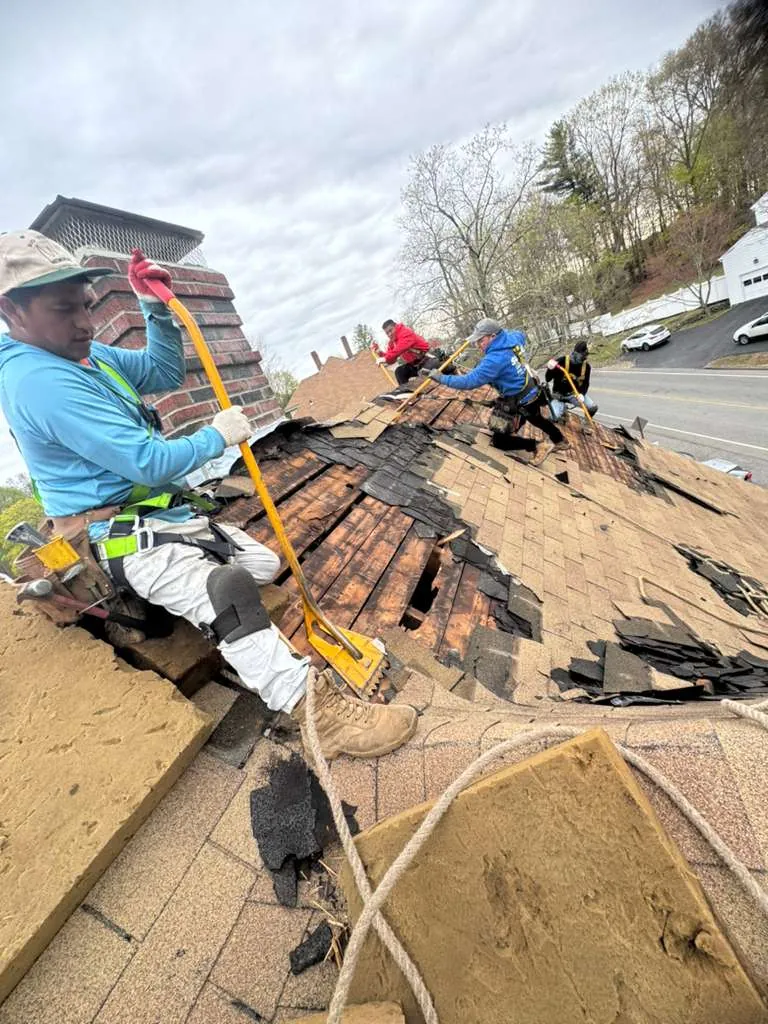
- Free roof inspection and written estimate
- Photos of everything we find
- A written price before any work starts
- Licensed and insured in Connecticut
Sunday to Friday
What do you need?
When?
Where should we call you?
Free, no obligation. Privacy
Common roofing questions
Have us look at your roof
Free roof inspection, photos of what we find and a written price before any work. Licensed and insured in Connecticut.