
10 Signs You Need a New Roof (and 4 That Just Need Repair)
You can spot most of these from the yard with binoculars or from the attic with a flashlight. Here is what each sign means and how soon it needs attention.
Sunday to Friday
The strongest signs are a roof at or past its typical age, shingles curling or cracking across whole slopes, bald patches where the granules are gone, soft or sagging decking, and leaks appearing in more than one place. One or two of these on a younger roof usually means a repair; several together on an older roof means it is time to plan a replacement.
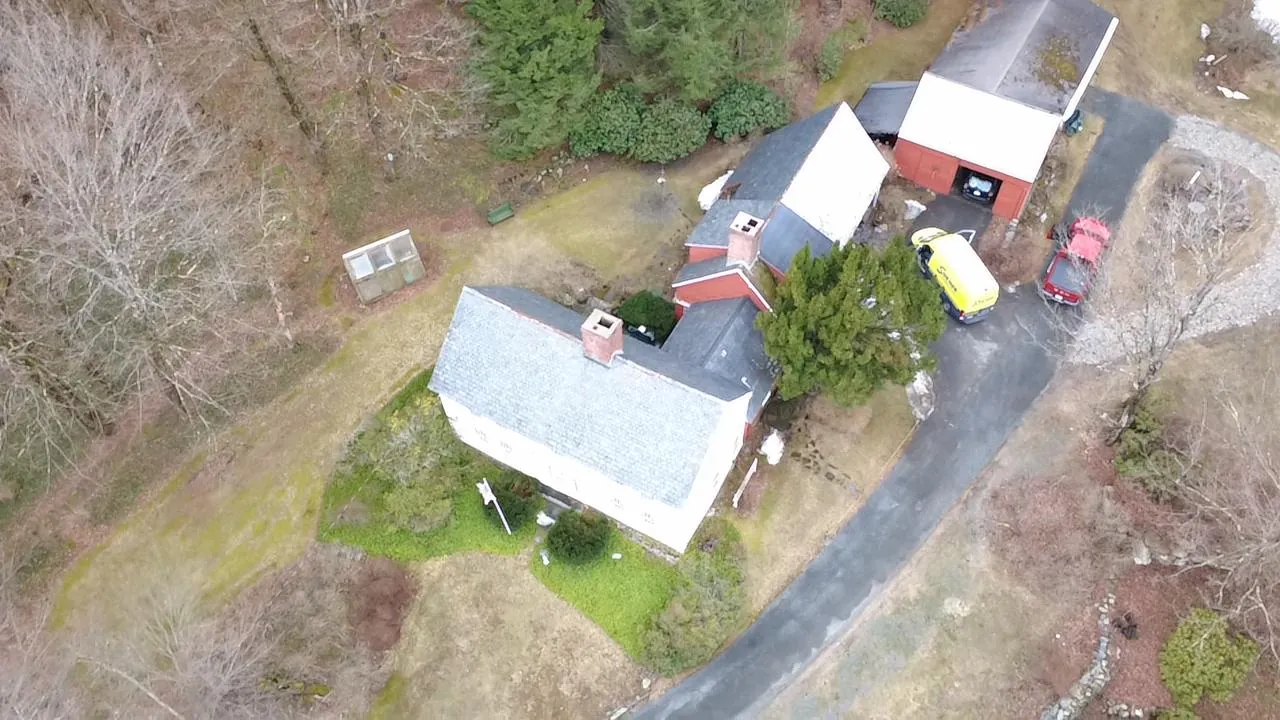
How to check your roof without climbing it
Pick a dry afternoon when the sun is low and hitting the roof at an angle, which makes curled edges and missing pieces cast shadows. Walk all the way around the house with binoculars, because the front slope is often in better shape than the back. Look across the roof from a neighbor’s yard or the far side of the street to see the ridge line.
Then go into the attic with a strong flashlight, ideally the day after a heavy rain. Stay on the joists and look up at the underside of the roof boards. Leave the roof surface itself to a roofer with fall protection; a fall from even a single-story eave can cause serious injury.
Take photos as you go and keep them with the date. Comparing this year’s pictures with last year’s is the simplest way to tell whether curling or bald patches are spreading, and the same photos help later if a storm adds new damage.
Five signs on the roof surface
These show up on the shingles themselves. One sign in one spot is a repair conversation; the same sign across whole slopes is a replacement conversation.
1. Curling or cupping shingles
Edges turning up (cupping) or corners lifting (clawing) mean the asphalt has dried out, usually from years of attic heat and sun. Wind gets under curled edges easily, so these roofs start losing shingles in ordinary storms.
2. Cracked or brittle shingles
Cracks across the tabs come from years of freeze–thaw and temperature swings. When shingles are brittle, a roofer cannot lift them to slip in replacements without breaking their neighbors, which is when repairs stop being practical.
3. Bald patches and granules in the gutters
The granules shield the asphalt from sunlight. Dark, smooth patches and handfuls of grit at the downspouts mean that protection is wearing through. A little grit is normal from a brand-new roof; heavy loss from an old one is not.
4. Shingles lost in ordinary wind
Every roof can lose a few shingles in a severe storm. If yours drops pieces every time the wind picks up, the seal strips have failed across the roof and individual repairs will keep chasing the problem.
5. Moss lifting the shingle edges
Moss holds water against the roof and pushes up the bottom edges as it grows. Thin growth can be cleaned off, but thick mats across a slope often leave shingles too damaged to keep; see our guide to roof moss and black streaks.
Roof problem checker
Tick what you have noticed and see what it usually means.
Five signs in the structure, the attic and the records
These five take a flashlight, a little paperwork or a careful look from across the street.
6. The roof is at or past its typical age
Three-tab asphalt typically lasts 15–20 years and architectural shingles 20–30, and Connecticut weather can shorten both. If you do not know the age, your town’s building department may have the last reroof permit on file. Our roof lifespan guide covers other materials.
7. A sagging or wavy roofline
Dips between rafters or a ridge that is no longer straight point to soft decking or a structural problem, sometimes after years of slow leaks. This is the most urgent sign on the list. After a heavy, wet snowfall, keep an eye on any section that already dips.
8. Daylight or staining in the attic
With the attic light off, look for pinpoints of daylight. With it on, look for dark rings on the boards, blackened wood around nail tips and damp or matted insulation.
9. Leaks in more than one place
One leak usually has one cause. Leaks in different rooms, or a new one each season after the last was fixed, mean the roof is failing as a whole rather than at a single joint.
10. Two layers already
A thick, doubled look at the roof edge often means a second layer was laid over the first. Building codes cap asphalt roofs at two layers in most cases, so once this roof fails, both layers have to be stripped.
How soon to act on each sign
Not every sign needs a crew next week. Use this to decide what goes on the calendar now and what goes into next year’s budget. If two or more of the urgent rows apply, treat the whole list as urgent.
| What you see | How soon to act | Sensible next step |
|---|---|---|
| Sagging roofline or soft spots | Within weeks | Get it inspected before the next heavy snow |
| Leaks in several places | Before the next storm season | Fix the worst leak now and price a replacement |
| Curling, cracking or shingles lost in wind | Within a year or so | Get a written replacement price and plan the season |
| Moss lifting shingle edges | Before winter | Have it removed gently and the shingles underneath assessed |
| Bald patches, heavy granule loss | Plan ahead | Inspect each fall and set money aside |
| Age alone, roof otherwise sound | No rush | Yearly inspection; replace when real wear shows |
Four things that look alarming but rarely mean a new roof
Plenty of roofs get written off for problems a few hours of work would fix. Before you agree to a replacement, rule these out.
Black streaks
Dark streaks running down the slope are algae. They change how the roof looks, not how well it sheds water.
A leak at the chimney or skylight
Leaks at a chimney, a skylight or a wall joint usually come from the flashing around it. Chimney flashing repair or a skylight fix solves the problem on its own.
Ice dams in a hard winter
Thick ice at the eaves points to heat escaping from the house. Our ice dam guide explains the attic fixes, and the roof often needs only local repair.
A few nail pops or lifted tabs
Isolated nails backing out or a tab that came unsealed are routine repairs. They become a replacement sign only when they appear everywhere.
A ceiling that bulges with water, water running near light fixtures or outlets, or a roofline that sags suddenly under heavy snow is not something to note for later. Leave the room, keep others out, and call 911 if water is near wiring or anything looks ready to give way; then call a roofer.
Once the signs add up: planning the replacement
Seeing several of these signs does not mean a crew has to arrive next week. It means it is time to get a written price, choose a material and pick a season, ideally late spring through fall, before an emergency picks the date for you. The guide to choosing a roofing material for a Connecticut home helps with the second step.
Keep the roof dry in the meantime with targeted repairs only, and avoid spending on anything that will be torn off. When the date is set, our guide to what happens during a new roof installation explains how to prepare the house.
Getting a second set of eyes from A Class
Spotted a few of these? Ring (203) 779-6787 or leave a callback request listing the ones you noticed. We check the roof with the drone and on foot where it is safe, look at the attic, and photograph each sign we find so you can see it for yourself.
You then get a straight answer on whether the roof needs repair, replacement or simply watching, with the price in writing before anything is booked. The visit is free, and if the roof only needs watching, we will say so and suggest when to look again. If you are weighing the options, our repair or replace guide lays out the criteria, and any work that follows ends with the site cleaned and debris hauled away.
When replacement is the answer, we explain which of these signs drove that call, so you can compare our reasoning with any other quote you receive.
Prefer we call you?
Three quick taps and a real person from A Class Chimney calls you back to set up a free roof inspection.
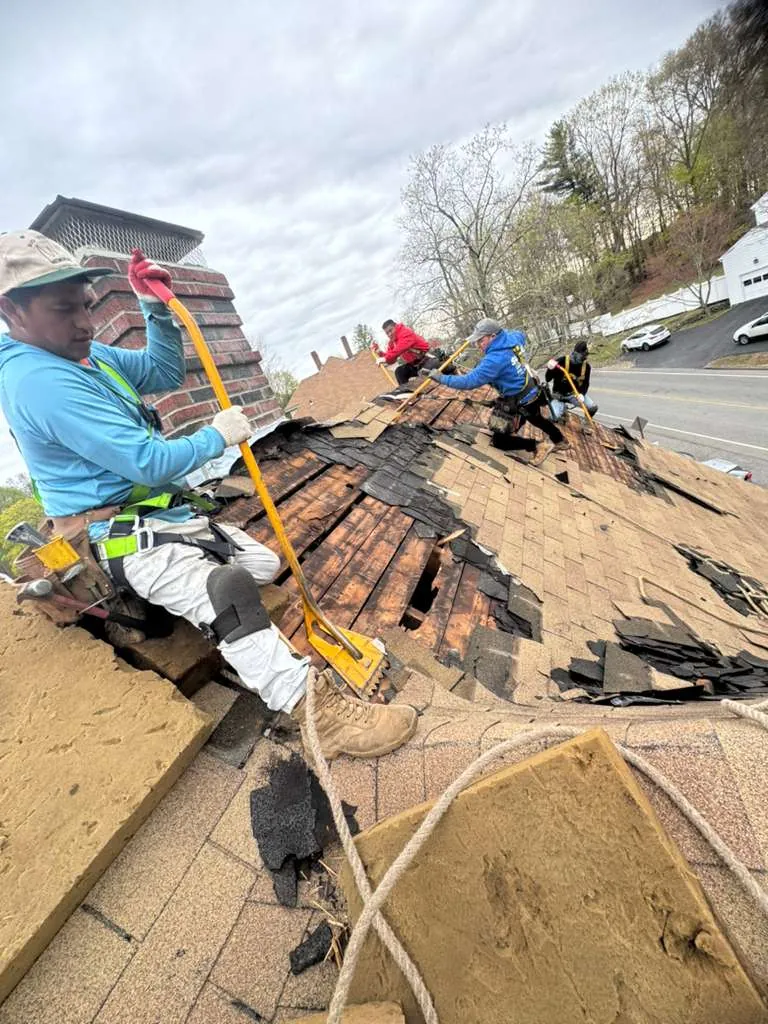
- Free roof inspection and written estimate
- Photos of everything we find
- A written price before any work starts
- Licensed and insured in Connecticut
Sunday to Friday
What do you need?
When?
Where should we call you?
Free, no obligation. Privacy
Common roofing questions
Have us look at your roof
Free roof inspection, photos of what we find and a written price before any work. Licensed and insured in Connecticut.