Gas Fireplace & Gas Log Chimney Inspection in CT
Gas burns cleaner than wood, but the chimney or vent still has to carry exhaust out of the house every time the burner runs. Here’s what needs checking, and who checks what.
Sunday to Friday
Yes, a chimney or vent serving a gas fireplace or gas logs should be inspected every year, as NFPA 211 recommends for all chimneys and vents. Gas doesn’t leave creosote, but its exhaust carries water vapor that damages liners and mortar, and nests or debris can block the flue. A Class inspects, cleans and relines the chimney or vent; the burner, logs, valves and gas line are serviced by a licensed gas technician.
Which kind of gas fireplace do you have?
How the unit vents decides what needs inspecting. Most Connecticut homes have one of these.
Gas logs in a masonry fireplace
A log set installed in an existing wood-burning fireplace. Vented logs use the original chimney, with the damper held open so exhaust always has a way out.
Gas insert in a masonry chimney
A sealed firebox set into the old fireplace opening, usually with liner pipes running up the chimney for exhaust and combustion air.
Direct-vent fireplace
A sealed unit vented through a pipe in the wall or roof, often inside a sided chase. There may be no masonry at all, but the vent, chase and cap still need checking; see prefab chimney repair.
Natural-draft units
Draw room air for combustion and rely on a warm, clear flue to carry exhaust up by natural draft, so flue size and condition matter a great deal.
Why gas flues still need attention
The common belief is that gas burns clean, so the chimney takes care of itself. Gas does burn cleaner than wood, with no creosote, but its exhaust is mostly carbon dioxide and water vapor. In a cold masonry chimney, especially an oversized or unlined one, that vapor condenses on the flue walls.
Over the years, that moisture and the mild acids it carries break down clay tile joints and mortar. The result can be flaking tile, white crust, or crumbled mortar collecting at the base of the flue, sometimes enough to narrow the opening.
Other problems have nothing to do with the fuel: bird and squirrel nests in an uncapped flue, blown-in leaves, a fallen liner tile, a rusted-out cap. Any of them can choke the exhaust path, and a gas appliance with a poorly drafting flue can push combustion gases, including carbon monoxide, back into the house.
Fireplace safety check
See how ready your fireplace is before the next fire.
Don’t light anything, use switches or try to find the leak. Get everyone outside and call 911 or your gas utility from outside the house. A gas smell is an appliance and gas-line emergency, not a chimney problem, and it needs the fire department or the utility first.
Gas appliances and older Connecticut chimneys
Many Connecticut chimneys were built for wood or oil and later handed a gas appliance. That mismatch is where most gas flue problems start. A big masonry flue sized for an open fireplace or an old oil boiler can be far too large for a gas unit, so the exhaust cools, rises slowly and condenses on the way up.
Exterior chimneys make it worse. A chimney running up the outside wall of a colonial or a cape stays cold through a Connecticut winter, which means more condensation and more damage to clay tile and mortar. When you see crumbled mortar or tile flakes at the base of a gas flue, a cold, oversized flue is often the reason, and a properly sized stainless liner is the usual cure.
What a gas chimney inspection covers
On the chimney or vent side, these are the points that matter. The burner, valve and gas piping are outside our scope.
- Flue clear of nests, leaves and fallen debris from top to bottom
- Liner condition: cracked, gapped or crumbling clay tile, or damage to a metal liner
- Liner size suited to the appliance, especially after an appliance change
- Cap present, intact and not clogged
- Crown, masonry and flashing condition, since water entry speeds up liner damage
- Damper position for vented gas logs, and rust on the damper
- Outside vent terminations clear, undamaged and not blocked by shrubs, snow or nests
- Signs of spillage: soot or staining at the opening, condensation, or rust at the base
Who does what: chimney vs. gas appliance
Splitting the work this way keeps each part of the system in qualified hands. If we notice something on the appliance side, we photograph it and tell you so your gas technician can follow up.
| Item | Who handles it |
|---|---|
| Chimney or vent inspection and camera check | A Class |
| Cleaning the flue, removing nests and debris | A Class |
| Chimney cap, crown, masonry and flashing | A Class |
| Stainless liner or HeatShield flue resurfacing | A Class |
| Gas burner, logs, pilot and ignition | Licensed gas technician |
| Gas valve, gas piping and leak testing | Licensed gas technician |
| Supplying or installing the fireplace, insert or log set | Your fireplace dealer or licensed gas installer |
Converting a wood fireplace to gas
Switching from wood to gas is one of the moments NFPA 211 calls for a Level 2 inspection, because both the fuel and the appliance the chimney serves are changing. A flue that worked fine for wood may be the wrong size for gas, may have cracks that years of wood smoke hid, or may still hold creosote from old fires.
Before your gas installer arrives, have the chimney swept and inspected, any repairs made, and the liner question settled. Some conversions need a stainless liner sized for the new appliance; others need only cleaning and a cap. Our chimney liner types guide compares the options, and relining runs about $1,500–$4,000+ as a 2026 ballpark.
The same logic applies when a gas furnace or water heater sharing the chimney is replaced. A newer, more efficient appliance may not suit the old flue, and that is worth knowing before the installer finishes the job.
How A Class handles gas chimney service
Start with a call to (203) 779-6787 or the callback form. Tell us what kind of gas unit you have and, if you know, how it vents. We’ll arrange a $59 inspection visit to look at the chimney or vent and price any work it needs.
We photograph the top, by drone when the roof is steep, and run a camera down the flue to see the liner. You get the photos and, if something needs fixing, a written price before anything is done. As 2026 ballparks, routine cleaning with a Level 1 inspection is about $150–$350, and a Level 2 report for a fuel conversion or home sale is a separate paid inspection at about $250–$500. Your real figure is confirmed in writing after we’ve been out.
For the gas side of the system, we’ll point you to a licensed gas technician and share our photos with them if that helps.
Prefer we call you?
Three quick taps and a real person from A Class Chimney calls you back to set up a $59 on-site inspection.
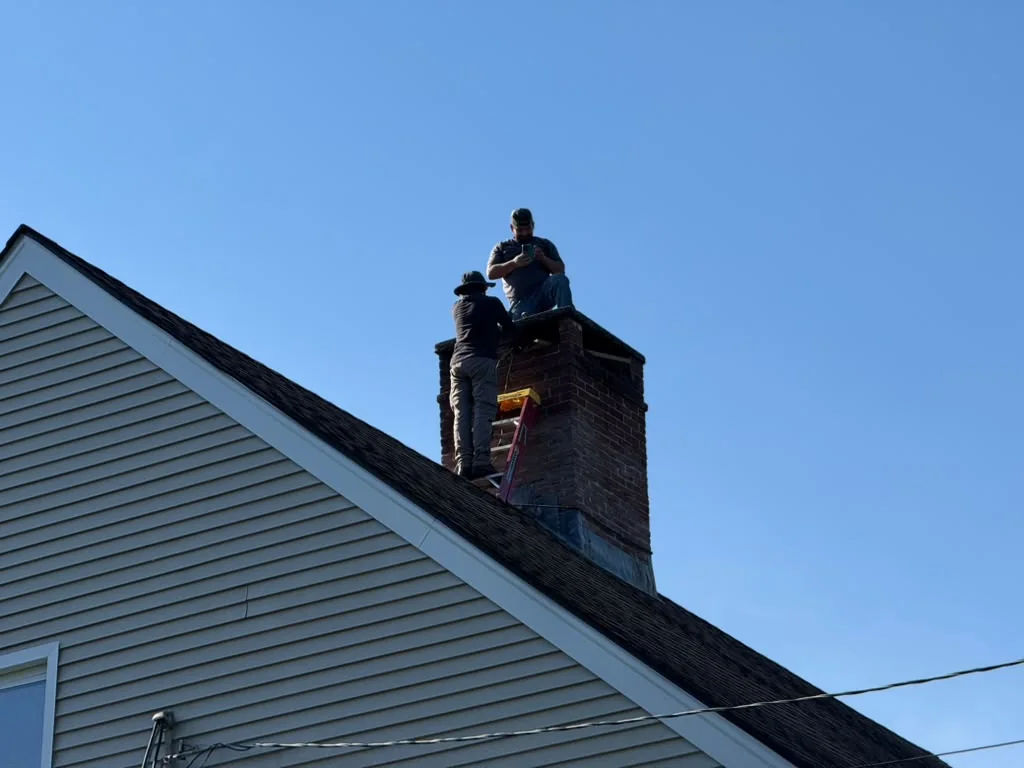
- $59 on-site visit and written estimate
- Photos of everything we find
- A written price before any work starts
- Licensed and insured in Connecticut
Sunday to Friday
What do you need?
When?
Where should we call you?
Free, no obligation. Privacy
Common questions
Have us take a look
$59 on-site visit, photos of what we find and a written price before any work. Licensed and insured in Connecticut.