Chimney Carbon Monoxide: Causes, Warning Signs, Prevention
Carbon monoxide has no color and no smell, so your chimney has to vent it quietly, every hour the heat runs. Here is how that venting fails and what shows up first when it does.
Sunday to Friday
A chimney can let carbon monoxide into your home when the flue is blocked, the liner is cracked, or the draft reverses and pushes exhaust back inside. Working CO alarms are your first line of defense, and a yearly chimney inspection catches the blockages and liner damage behind most venting failures. If a CO alarm sounds, get everyone outside and call 911.
Get everyone, pets included, out of the house and call 911 from outside. Do not go back in to find the source or to open windows. Leave the fireplace, stove and heating system for the fire department and a qualified technician. Headaches, dizziness or nausea in more than one person at the same time are a reason to leave even without an alarm.
How carbon monoxide gets from a chimney into your house
Carbon monoxide (CO) forms whenever fuel burns, whether that fuel is wood, oil, natural gas, propane or pellets. A healthy chimney carries it up and out because hot exhaust rises and the flue gives it a sealed path to the outdoors.
Trouble starts when that path is interrupted. The exhaust doesn’t disappear; it takes the next easiest route, which is often back into the room or the basement. These are the usual ways it happens:
- Blocked flue: nests, leaves, fallen liner tiles or heavy creosote narrow the opening until exhaust spills back.
- Cracked or missing liner: gases slip through gaps between clay tiles into the masonry, the attic or the rooms next to the chimney.
- Reversed draft: kitchen and bath exhaust fans, a clothes dryer, or a tightly sealed house can pull air down the chimney instead of up.
- Mismatched flue: a flue that is far too big for a newer, efficient boiler or water heater may never warm up enough to draft well.
- Closing the damper too early: shutting it over glowing coals sends CO straight into the room.
Warning signs that point to a venting problem
CO itself gives no clue, but a chimney that is struggling usually leaves evidence. Any one of these is worth having checked.
Soot at the opening
Black marks on the face of the fireplace or around a stove door mean smoke is rolling into the room instead of up the flue.
Exhaust smell on calm days
A smoky or sour odor while the appliance runs, or on damp, still days, can mean exhaust isn’t clearing. Our guide to why a chimney smells walks through the causes.
Debris at the bottom
Pieces of clay tile, mortar or flaking liner in the firebox or behind the cleanout door suggest the flue lining is breaking down.
Moisture and rust
Water stains near the chimney, rusty vent pipes, or condensation on windows close to the boiler can mean exhaust is cooling and lingering.
Readings that follow the heat
A digital CO alarm that shows a number whenever the boiler or fireplace runs is telling you something, even if it never reaches the alarm level.
Symptoms that ease when you leave
Headaches, nausea or tiredness that improve when you’re away from home fit the classic CO pattern, and they are easy to mistake for the flu.
Fireplace safety check
See how ready your fireplace is before the next fire.
Fireplaces vs. heating flues: where the quiet risk usually is
Most people picture the fireplace when they think about chimney CO. In many Connecticut homes the bigger quiet risk is the flue serving the furnace, boiler or water heater. Those appliances run around the clock all winter, often while everyone sleeps, and their exhaust goes up a flue nobody ever looks at.
Oil heat is common here, and oil burners leave soot and scale that collect at the base of the flue. Gas appliances produce a lot of water vapor, which slowly eats away at an old clay liner. Either can build a blockage you never see. We cover both in more depth on our pages about oil furnace and boiler flues and gas fireplace chimneys.
One situation deserves a mention. When an old furnace is replaced with a high-efficiency unit that vents out a side wall, the water heater can be left alone in a large chimney flue built for two appliances. That oversized flue may draft poorly for one small burner. Any change to your heating system is a good reason to have the chimney looked at.
Common chimney causes of CO and the usual fix
This is what turns up most often when a chimney is not venting the way it should, and what normally solves it.
| What’s found | Why it matters | Typical fix |
|---|---|---|
| Nest or debris in the flue | Narrows or closes the exit for exhaust | Remove the debris, then add a stainless chimney cap |
| Cracked or gapped clay tiles | Gases leak into the masonry and living space | HeatShield resurfacing or a stainless steel liner |
| Creosote or soot buildup | Restricts the flue and raises fire risk | Professional cleaning; see our creosote guide |
| Flue too large for the appliance | Weak draft and heavy condensation | A stainless liner sized to the appliance |
| Crumbling chimney top | Falling brick or crown pieces can block the flue | Crown repair or masonry repair at the top |
A CO safety checklist for the heating season
Most of this takes a few minutes and costs very little.
- Install CO alarms on every level of the home and near sleeping areas, following the placement instructions that come with the alarm.
- Test alarms monthly and replace them by the end-of-life date printed on the unit.
- Have every flue inspected once a year, as NFPA 211 recommends, including the ones serving the boiler and water heater.
- Look at the chimney top from the ground for a missing cap, leaning bricks or nesting material. Never climb onto the roof to check.
- Keep the fireplace damper fully open until the fire is completely out and the ashes are cold.
- If you’ve ever seen smoke spill into the room, avoid running strong exhaust fans while a fire is burning.
- Have the fuel-burning appliances themselves serviced by a licensed heating or gas technician on the schedule they recommend.
- If you’re selling or renting the home, ask your attorney or town which alarm rules apply to you.
How A Class checks a chimney for venting problems
When you call (203) 779-6787, tell us what you’ve noticed: an alarm reading, a smell, soot, a recent boiler replacement. If an alarm is sounding right now, that is a 911 call first; our visit comes after the fire department or utility has cleared the house.
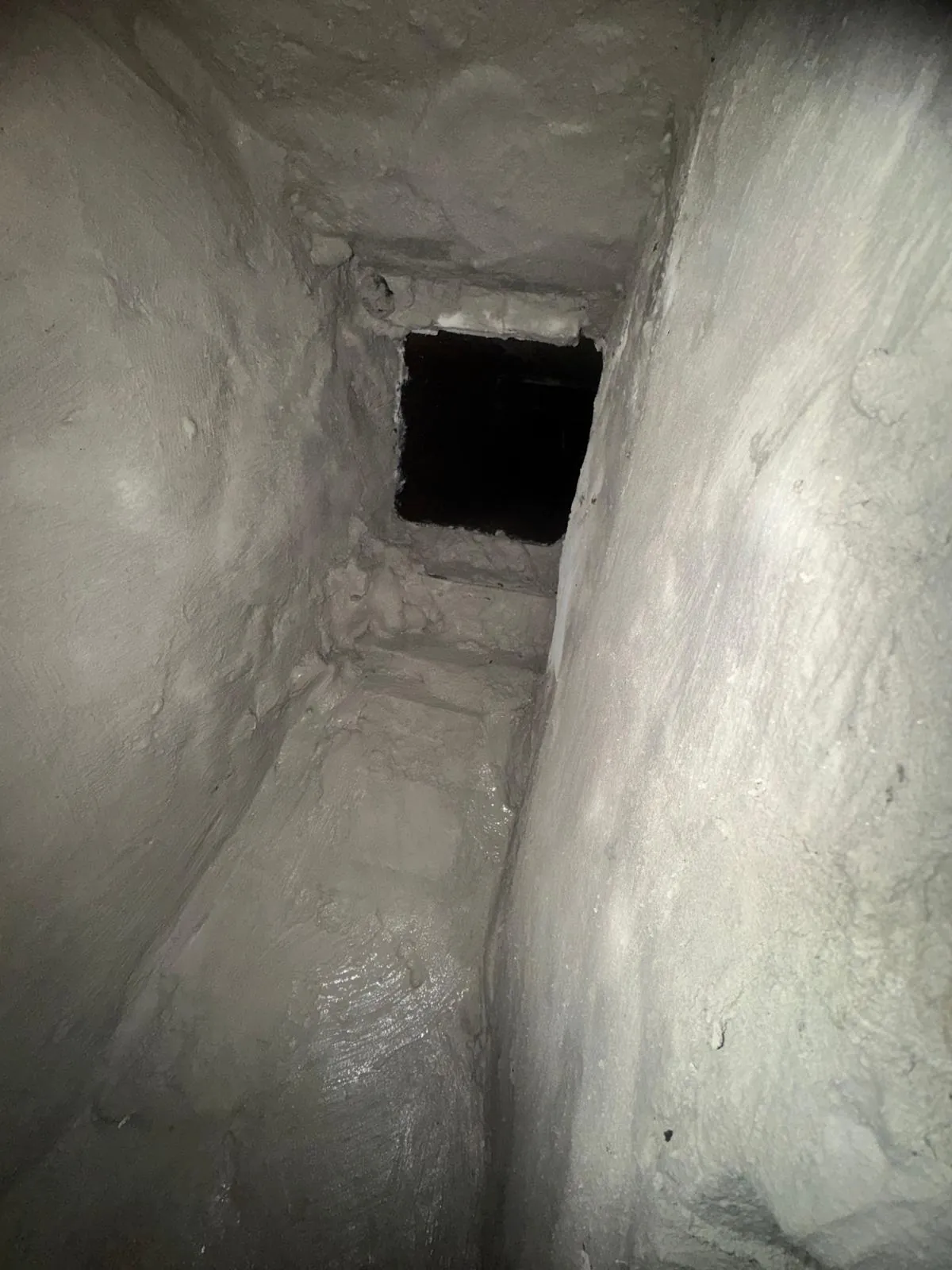
On the $59 inspection visit we follow the exhaust path from where the appliance connects to the chimney all the way to the top. A camera goes down the flue to look for cracks, gaps and blockages, and the chimney top gets photographed, by drone where the roof makes that the safer choice. You see every photo.
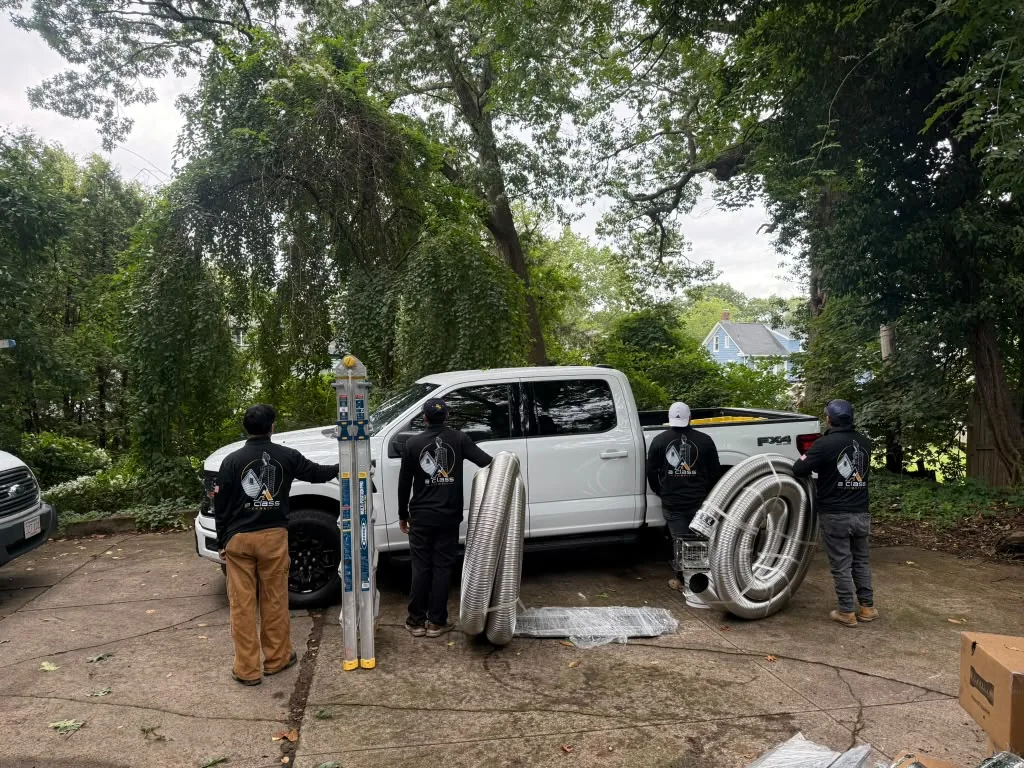
If the flue needs cleaning, a cap or a new liner, you get a written price before any work starts. As a 2026 ballpark, cleaning with a Level 1 inspection runs $150–$350 and relining runs $1,500–$4,000+; your actual number comes in writing once we’ve seen the chimney. A formal Level 2 inspection report is a separate paid service for when you need full documentation.
Our work is the chimney and the flue. The burner, gas valve or boiler itself belongs to your licensed heating or gas technician, and we’re glad to share our photos with them.
Prefer we call you?
Three quick taps and a real person from A Class Chimney calls you back to set up a $59 on-site inspection.
- $59 on-site visit and written estimate
- Photos of everything we find
- A written price before any work starts
- Licensed and insured in Connecticut
Sunday to Friday
What do you need?
When?
Where should we call you?
Free, no obligation. Privacy
Common questions
Have us take a look
$59 on-site visit, photos of what we find and a written price before any work. Licensed and insured in Connecticut.