
Roofing in New Britain, CT: Repair & Replacement
Flat and low-slope roofs, stacked porch roofs and shingle repairs for New Britain’s two- and three-family houses and single-family streets, priced in writing before any work.
Sunday to Friday
A Class repairs and replaces roofs across New Britain, including the rubber and TPO roofs on multi-family houses and the small porch roofs stacked beneath them. As a ballpark, flat roof repair runs $400–$1,500 and a full EPDM or TPO replacement $5,000–$15,000+. The roof inspection and written estimate cost nothing.
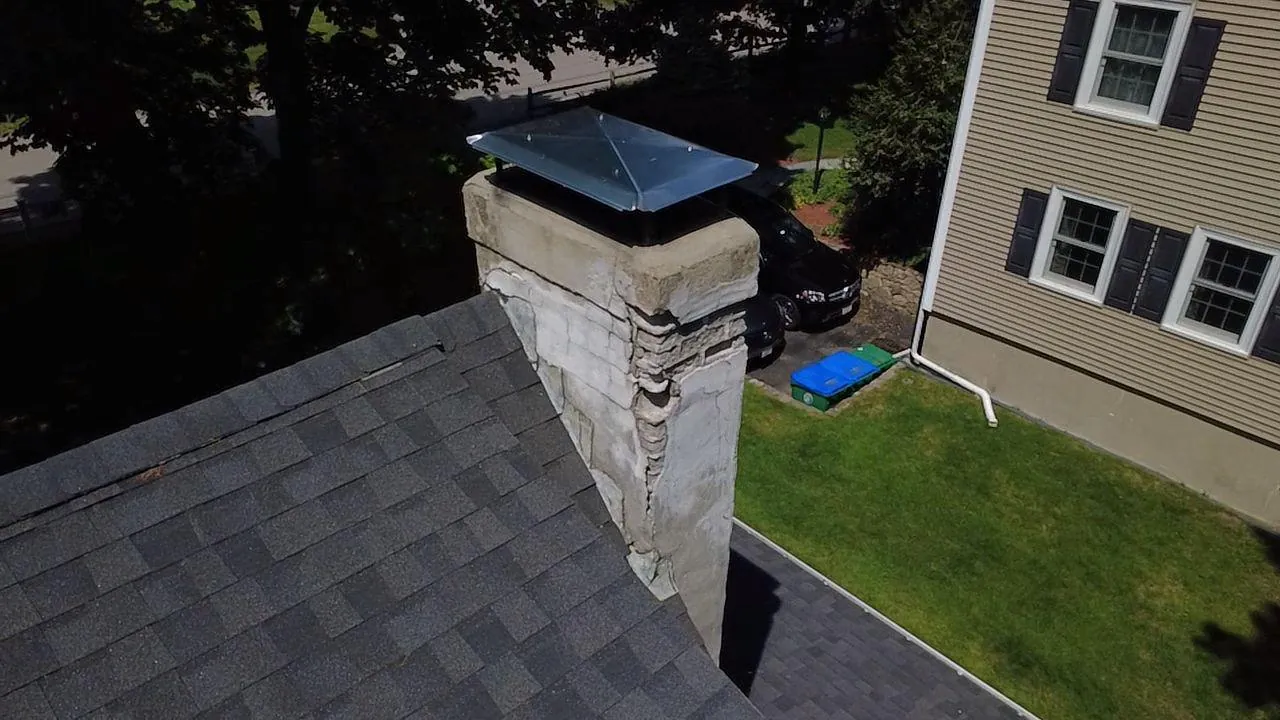
A city of working roofs
New Britain built its housing for the people who worked in the Hardware City factories, and most of it is old: close to two-thirds of the city’s homes went up before 1960. A large share sits in two-, three- and four-unit buildings, so one roof often keeps several households dry.
That changes how a leak plays out. The top-floor tenant sees it first, the owner may live across town, and by the time anyone looks at the roof, water may have been soaking the insulation for weeks. On streets with more single-family houses, such as parts of Belvedere near CCSU and Stanley Quarter Park, the roofs are simpler pitched shingle roofs, though many are on their second or third covering.
Roof types on New Britain multi-family houses
Most two- and three-family houses here combine more than one kind of roof, and each kind needs a different repair. Our flat roof repair and replacement page covers membranes in more depth.
Low-slope main roofs
Many three-deckers and some two-families have a nearly flat main roof hidden behind a cornice. These are usually covered with EPDM rubber or TPO, and the weak spots are seams, the edges at the cornice, and the drains or scuppers that carry water off.
Stacked porch roofs
Front and back porches stacked two or three high each have a small, shallow roof. The top one takes all the weather, and the lower ones catch whatever runs off it. Rolled roofing or old shingles on these gentle pitches is a frequent source of leaks into porch ceilings.
Gable roofs with dormers
Two-families with a pitched roof often have dormers added for extra rooms. Water gets in where the dormer walls meet the main roof, through tired step flashing or caulk standing in for flashing.
Runoff between close houses
On narrow lots, roof water and downspouts can end up in the gap between two houses. Gutters pitched correctly and downspouts that discharge away from both foundations protect two basements at once.
Roof problem checker
Tick what you have noticed and see what it usually means.
Flat roof decision guide: patch it or replace it?
Find what you or your tenants are seeing in the left column. Ranges are 2026 Connecticut ballparks, and the firm figure goes on paper after we have been up on the roof. For a fuller breakdown, see flat roof costs.
| What is happening | What it usually means | Usual direction |
|---|---|---|
| One leak at a seam, pipe boot or drain; membrane still flexible | A local failure on a roof with life left | Repair, about $400–$1,500 |
| Water stands in the same spot two days after rain | A low spot or sagging deck holding water | Clear the drainage now; correct the slope when the roof is replaced |
| Patches on top of patches, membrane pulling back at the edges | Shrinking, aging membrane | Plan a replacement, about $5,000–$15,000+ |
| Top-floor ceiling stains in several rooms, insulation wet | Water traveling under the membrane | Replacement, with wet insulation and damaged decking removed |
| Leak at the cornice edge only in wind-driven rain | Edge metal or termination failure | Edge repair, usually without replacing the whole membrane |
A landlord’s roof routine
You can do most of this without anyone setting foot on the roof. Ask tenants never to step out onto a flat roof or porch roof, even to clear a drain.
- Ask top-floor tenants to report any ceiling stain, drip or musty smell right away, with a photo
- Keep a simple log of each leak: date, room, and whether it followed rain, wind or melting snow
- After heavy storms, look up at porch roofs and the cornice line for loose edge metal or flapping membrane
- Check that gutters and downspouts on every side are attached and running, especially at the back of the house
- Watch porch ceilings for peeling paint or soft boards, which often point to a shallow porch roof letting water in
- Find out when the roof was last replaced; closing papers or the city’s building department records may tell you
- Photograph any damage before it is repaired, and keep the pictures with your insurance papers
From the first call to a dry top floor
- Call or request a callbackTell us how many units the building has, which unit sees the leak, and how to reach whoever can let us in.
- A free look at every roof surfaceWe check the main roof, the porch roofs and the gutters, and fly a drone over flat sections that cannot be seen from the street, so you get photos of the whole roof.
- A written price by areaMain roof, porch roofs and gutters are priced separately, so you can fix the urgent part first and budget for the rest.
- Work planned around tenantsWe coordinate access with you, protect porches and entry paths, and keep stairways clear while we work.
- Clean-upDebris is removed, and porches, walkways and the yard are cleaned up before the crew leaves.
Chimneys, gutters and neighboring towns
On many multi-family houses the roof leak turns out to be at the chimney, where the flashing has been tarred over more than once. Our New Britain chimney page covers the masonry side. For gutters on tight lots, see gutter installation and repair. We also work in nearby Berlin and Newington.
Prefer we call you?
Three quick taps and a real person from A Class Chimney calls you back to set up a free roof inspection.
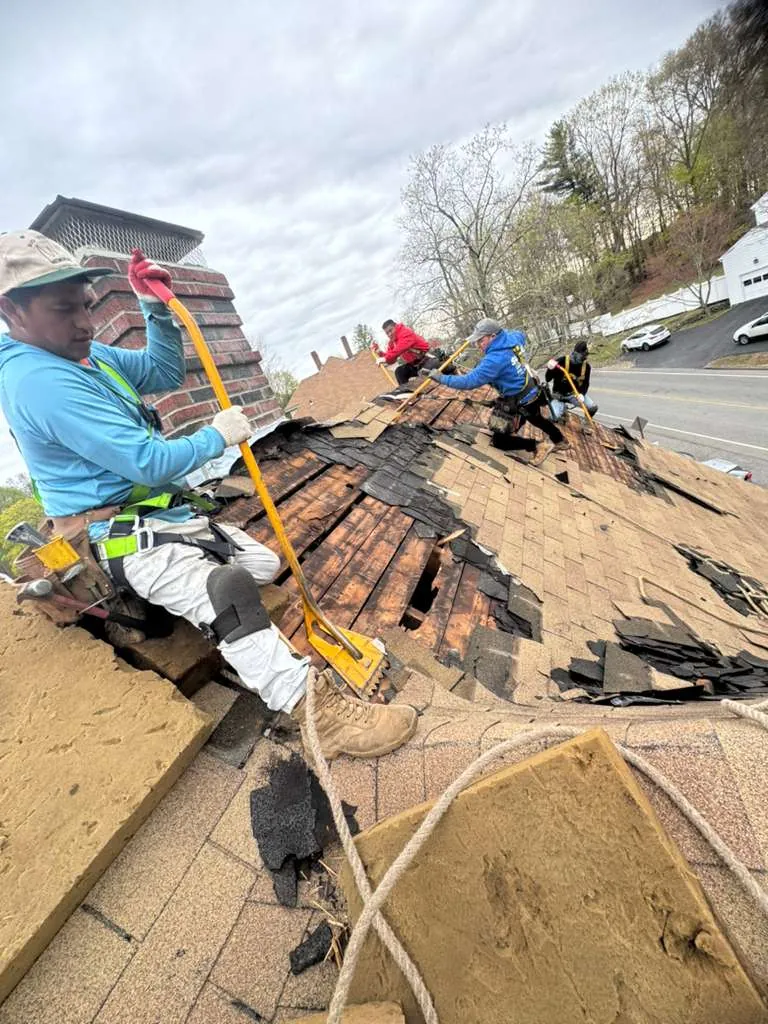
- Free roof inspection and written estimate
- Photos of everything we find
- A written price before any work starts
- Licensed and insured in Connecticut
Sunday to Friday
What do you need?
When?
Where should we call you?
Free, no obligation. Privacy
New Britain roofing questions
Roofing help in New Britain
Free roof inspection, photos of what we find and a written price before any work. Licensed and insured in Connecticut.