Chimney Liner Cost in Connecticut: Relining Prices
A ballpark for stainless relining in Connecticut, the details that move the number, and how to tell whether your flue needs a new liner or a repair to the one it has.
Sunday to Friday
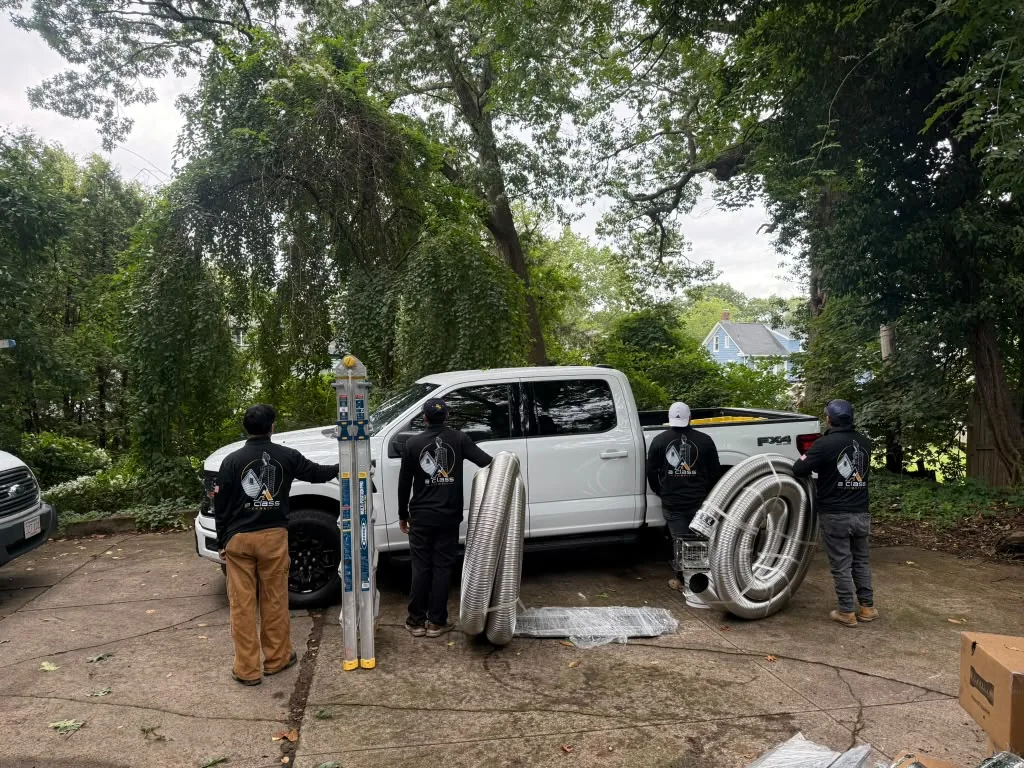
Relining a chimney with a stainless-steel liner in Connecticut runs about $1,500–$4,000+ as a 2026 ballpark. Where you land depends on the chimney’s height, the flue size, the appliance it serves and whether old tiles have to come out first. Your firm number comes in writing after a $59 on-site visit.
Liner cost ballparks in Connecticut
Ranges for 2026, with the related items people usually ask about in the same conversation. The exact figure is written up after the $59 on-site visit.
| Job | Ballpark | Notes |
|---|---|---|
| Stainless liner, relining one flue | $1,500–$4,000+ | Sized to the appliance; tall or offset flues sit at the higher end |
| Level 2 inspection with camera scan | $250–$500 | Shows whether the existing liner can be saved |
| Stainless cap | $150–$600 | Keeps rain and animals out of the new liner |
| Crown repair or sealing | $200–$1,200 | Often worth doing while the top is already being worked on |
| HeatShield flue resurfacing | Priced after the flue is seen | Repairs gaps and cracks in a basically sound clay liner instead of replacing it |
What sets the price of a liner
Two relining quotes for similar-looking houses can differ by a wide margin without either one being unreasonable. The gap usually comes down to these six things.
Chimney height
Stainless liner is bought by the foot, so a flue running up a three-story Victorian costs more than one on a single-story ranch.
Flue size and shape
The liner is sized to the appliance. If the old clay tiles are too narrow for the right diameter, they may have to be broken out first, which adds labor.
Offsets and bends
Many older chimneys jog around framing or a second fireplace. Flexible liner handles bends, but tight offsets slow the installation.
Insulation
Some installations call for an insulation wrap or poured insulation around the liner, depending on the appliance, the chimney’s clearances and the liner’s listing.
Appliance and fuel
An open fireplace, a wood stove, an oil boiler and a gas water heater each need a liner type and size matched to them.
The top
A top plate and cap finish the job and seal the new liner at the crown. Ask whether they are in the price.
Ballpark price check
Typical Connecticut ranges for common chimney jobs.
Signs your flue needs relining
Any one of these is a reason to have the flue looked at before the next heating season.
- A camera scan shows cracked, shifted or missing clay tiles.
- The house is old enough that the chimney may have been built without a liner at all.
- There has been a chimney fire, or you suspect one. See chimney fire damage repair.
- A fuel change is planned, such as oil to gas, or a wood stove or insert is going to be hooked up to the existing flue.
- Pieces of tile or crumbled mortar collect at the base of the flue or in the boiler cleanout.
- Smoke or odors show up in rooms next to the chimney.
- Brick on the outside of the chimney is stained or spalling even though the crown and cap are sound, a sign moisture may be coming from inside the flue.
Oil, gas and wood: why the appliance matters
Oil heat is common in Connecticut, and many chimneys carry an oil boiler or furnace flue next to the fireplace flue. Oil exhaust leaves soot and scale, and its gases turn acidic when they condense. Over years that eats at clay tiles and mortar joints, which can leave a boiler flue in worse shape than the fireplace flue beside it. More on that in our oil furnace and boiler chimney guide.
Switching from oil to gas changes the flue’s job. Many gas appliances produce cooler, wetter exhaust, and an oversized old flue can let it condense before it leaves the chimney, so a liner sized for the new appliance is a common part of a conversion. If the new appliance vents through a side wall instead, the old flue may not need a liner at all, and capping it may be the better move. The appliance, its gas piping and its valves are the work of a licensed gas or heating technician; we handle the chimney side.
Wood stoves and inserts need a liner matched to the stove’s outlet, often insulated, so the flue stays warm enough to draft well and limit creosote. We do not sell or install stoves or inserts, but we do line and maintain the chimneys they connect to. See wood stove and insert chimneys.
Repair the old liner or replace it?
Not every cracked flue needs a new liner. If the clay tiles are basically sound and the problems are gaps at some joints or limited cracking, HeatShield resurfacing can restore the flue with less disruption than relining. It is priced once the flue has been seen.
Relining is the better choice when tiles are broken or displaced in several places, when the flue was never lined, when its size is wrong for the appliance, or after a chimney fire has damaged the liner along its length. For the materials side of the decision, see chimney liner types, and for the repair options in more depth, our liner and flue repair page.
One practical note for chimneys with a fireplace flue and a boiler flue side by side: if both need work, doing them in the same visit saves a second round of setup at the top of the chimney, and the cap can be sized to cover both flues at once.
How A Class quotes and installs a liner
- Questions firstWe ask what the flue serves now and what it will serve after any planned changes, because that decides the liner’s size and type.
- A look at the flueOn the $59 inspection visit the tech checks the chimney top and flue and photographs what they find. For a home sale or after a fire, a full Level 2 camera inspection is the right first step.
- Written priceThe written price names the liner, its diameter, any insulation, the top plate and the cap, so you can compare it line by line.
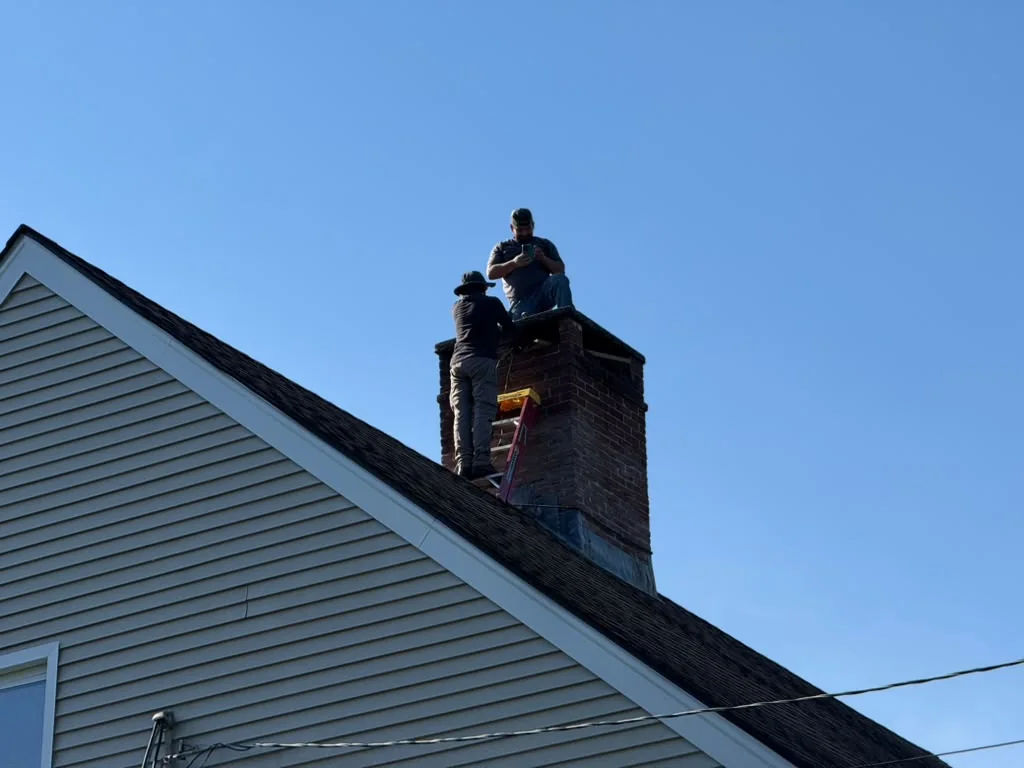
- InstallationThe liner goes in from the top, is connected at the bottom, and the top is sealed and capped. Drop cloths go down inside and the work area is cleaned up.
- Back in serviceAfter any change to a heating flue, have your heating technician check the appliance’s draft and settings before the season starts.
A broken flue liner lets heat reach the brick and the wood framing around the chimney, and lets exhaust find its way into the house. If a scan shows breaks, stop using that flue until it is repaired. If a CO alarm sounds or smoke fills the house, get everyone out and call 911.
Prefer we call you?
Three quick taps and a real person from A Class Chimney calls you back to set up a $59 on-site inspection.
- $59 on-site visit and written estimate
- Photos of everything we find
- A written price before any work starts
- Licensed and insured in Connecticut
Sunday to Friday
What do you need?
When?
Where should we call you?
Free, no obligation. Privacy
Common questions
Have us take a look
$59 on-site visit, photos of what we find and a written price before any work. Licensed and insured in Connecticut.