
Roofing in Newington, CT: Repair & Replacement
Newington’s houses mostly went up between 1945 and 1975, so many roofs are reaching the same age at once. What the warning signs mean, and where leaks usually start.
Sunday to Friday
Most Newington homes date from the postwar building boom, so typical roof problems are worn shingles, leaking pipe boots and flashing, missing kick-out flashing at walls, and attics that run too warm or too damp. Many fixes are repairs, while wear on every slope means replacement. A Class inspects for free and puts the price in writing.
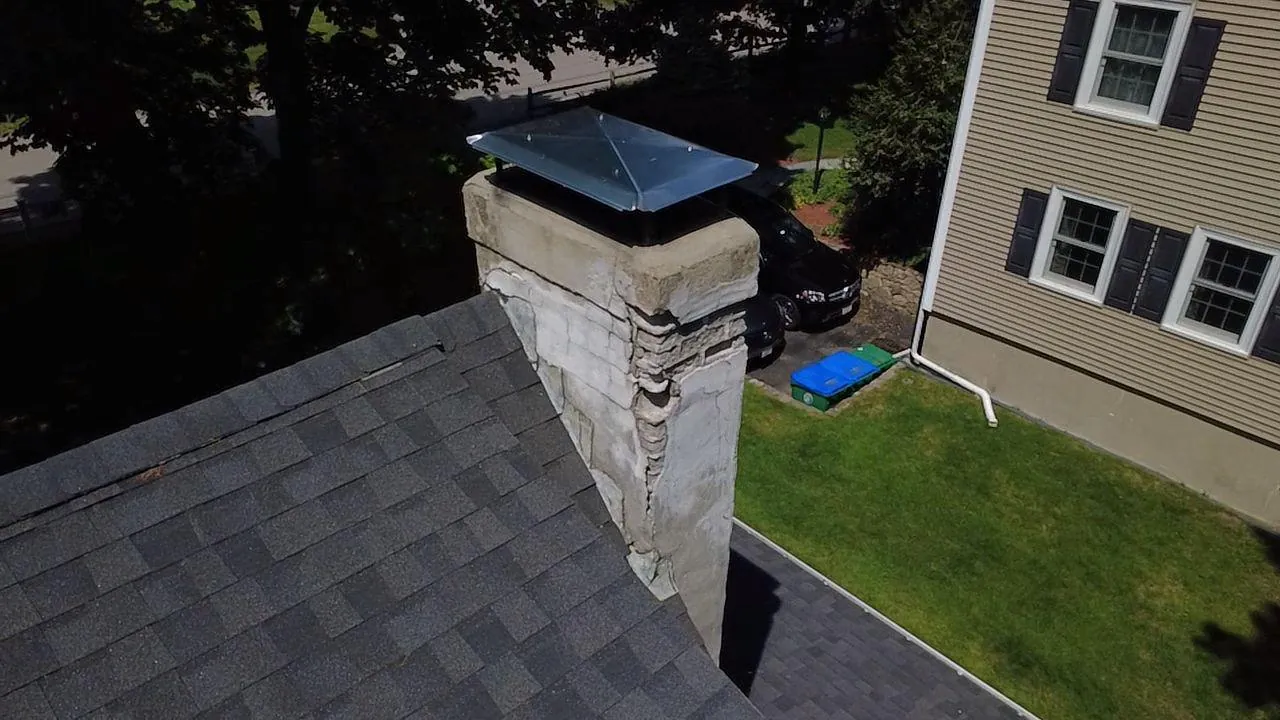
A town that tripled in twenty years
In the 1940s Newington’s growth rate was tied for the fastest in Connecticut, and it kept climbing, from about 9,100 residents in 1950 to more than 26,000 by 1970. After 1980 the population barely moved. The result is a housing stock that aged together: capes, ranches, raised ranches and split-levels, most of them now 50 to 75 years old.
Nearly all of those houses are on at least their second roof, and many were reroofed in the 1980s or 1990s, which puts those roofs near or past the end of their typical life today. A few older areas, such as the three historic districts at Newington Junction, have earlier houses with needs of their own.
Because so many roofs on a street went on around the same time, a run of replacements among your neighbors is a fair hint about your own.
Symptoms and what they usually mean
Check from the yard and from inside the house or attic, and leave the roof itself to a roofer.
| You notice | It usually means | How soon to act |
|---|---|---|
| Shingle edges curling or cupping | Worn-out shingles, or heat cooking them from a poorly vented attic | Plan a replacement within a season or two |
| A ceiling stain near a bathroom | A cracked rubber boot around a vent pipe, or a bath fan venting into the attic | Soon; a boot repair is small if caught early |
| Rot or stains on the siding below a roof edge | Missing kick-out flashing where a roof meets a wall | Soon, before the wall framing gets wet |
| Frost on the nail tips in the attic in winter | Warm, moist household air leaking into the attic | Before next winter; seal air leaks and fix the venting |
| Daylight through the roof boards | Gaps at the ridge or missing shingles | Have it checked promptly |
| Sagging between rafters | Decking softened by long-term leaks | Get an inspection; this usually means new decking |
Roof problem checker
Tick what you have noticed and see what it usually means.
Raised ranches, split-levels and roof-to-wall joints
Split-levels and raised ranches have roofs at more than one height, so a lower roof often runs into the wall of a taller section. Where that happens, step flashing has to be woven in with each course of shingles, and the bottom piece needs a kick-out that throws water into the gutter instead of behind the siding.
Many houses from that era were built without kick-out flashing, and the damage shows up years later as rotted sheathing or stained siding beneath the roof edge. Adding one during a repair or reroof costs little compared with opening up and rebuilding part of a wall. The same goes for the step flashing above it: if it was nailed through or caulked over at some point, it should be replaced rather than patched again.
What your attic can tell you
With a flashlight, look at the underside of the roof boards on a dry day and again after rain. Dark rings, wet insulation or rusty nail tips point to leaks or condensation, and white or dark spotting on the wood suggests the attic stays too humid.
Bathroom and kitchen fans that end in the attic instead of outdoors are a common culprit. So is a ridge vent with no intake vents at the eaves to feed it. Our page on roof and attic ventilation explains how the two work together, and roof leak repair covers tracking down an active drip.
Choosing the next roof for a postwar house
Most Newington houses were built with 3-tab shingles, which typically last 15 to 20 years. Architectural shingles are thicker, look more dimensional and typically last 20 to 30 years, so on a house you plan to keep they usually cost less per year of service. If black algae streaks bother you on a shaded slope, ask about algae-resistant shingles when you choose a line.
A replacement is also the chance to fix what the original builders skipped: an ice and water membrane at the eaves, intake vents that match the ridge vent, kick-out flashing at every roof-to-wall joint, and pipe boots that fit the vents you have now. Details on shingle types and grades are on our asphalt shingle roofing page.
Move valuables and electronics out of the way, set a bucket under the drip and keep people away from any ceiling that bulges. If water reaches light fixtures or outlets, or the ceiling starts to sag, leave the room and call 911 if it looks dangerous.
The A Class process, start to finish
- Get in touchPhone us, or leave your address and a line about what you are seeing in the callback form.
- No-cost inspectionWe check the shingles, flashing, vents and attic, with photos taken on the roof and from a drone.
- See it, then decideThe photos arrive with a written price for each repair or for a replacement, so the choice is yours.
- The job itselfWith your approval we schedule the work, tarp the plantings and protect the area around the driveway.
- Left tidyOld shingles and scraps go in our truck, the yard is raked clean, and the finished roof is photographed for you.
Newington chimneys and nearby towns
Chimney cleaning and masonry are covered on our Newington chimney page. We also roof in Wethersfield, West Hartford and New Britain. For a free inspection, call (203) 779-6787.
Prefer we call you?
Three quick taps and a real person from A Class Chimney calls you back to set up a free roof inspection.
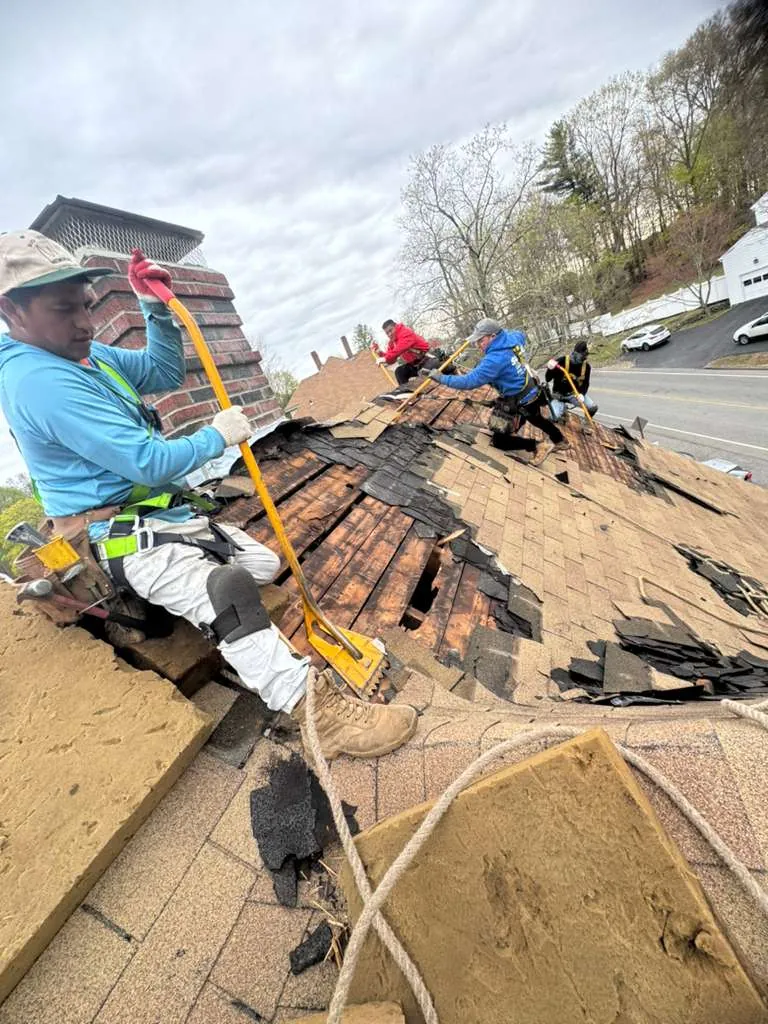
- Free roof inspection and written estimate
- Photos of everything we find
- A written price before any work starts
- Licensed and insured in Connecticut
Sunday to Friday
What do you need?
When?
Where should we call you?
Free, no obligation. Privacy
Newington roofing questions
Roofing help in Newington
Free roof inspection, photos of what we find and a written price before any work. Licensed and insured in Connecticut.