
Metal Roof Cost in Connecticut: Standing Seam vs Shingle
What a metal roof costs on a Connecticut house in 2026, which details push the price toward the top of the range, and when the higher upfront cost actually pays off.
Sunday to Friday
Plan on roughly $20,000–$45,000+ for a metal roof on a typical Connecticut house in 2026, compared with about $10,000–$25,000+ for asphalt shingles (both ballparks). Standing seam panels, steep or cut-up roofs and snow guards push toward the top of that range, and metal typically lasts 40–70 years, so it pays off mainly for owners who plan to stay. The written price for your house follows a free on-site inspection.
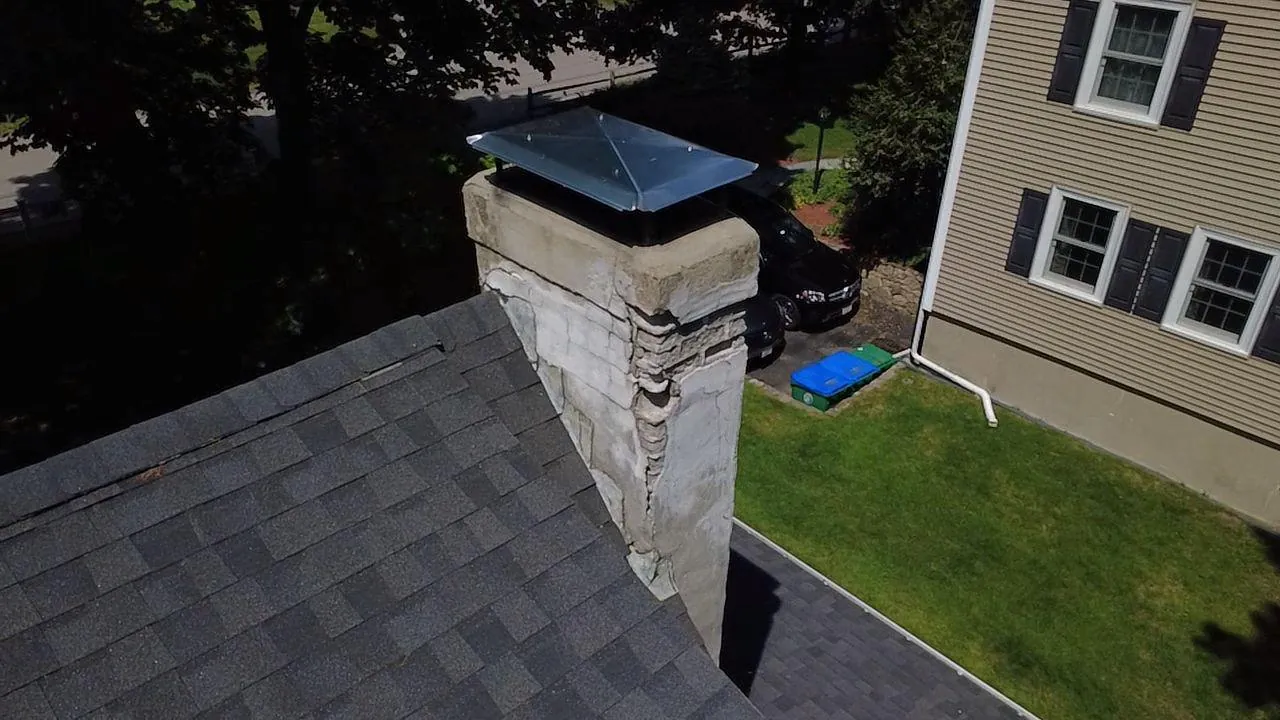
Metal roof cost against other roofs in CT (2026 ballpark)
Ballpark ranges for replacing the whole roof on a typical Connecticut home. The metal range is wide because it covers several panel systems and every kind of roof shape. For the full set of reroof prices and what moves them, see our roof replacement cost guide.
| Roof | Ballpark, whole roof | Typical lifespan |
|---|---|---|
| Metal | $20,000–$45,000+ | 40–70 years |
| Asphalt shingles | $10,000–$25,000+ | 15–20 years (3-tab), 20–30 years (architectural) |
| Cedar shake | $20,000–$40,000+ | 20–40 years |
| Slate, full replacement | $35,000–$75,000+ | 75–100+ years |
Standing seam, exposed-fastener panels and metal shingles
Calling something a metal roof says little about how it is built. The system you choose decides where in the range you land and how much upkeep comes with it. Our metal roofing page goes further into installation.
Standing seam
Full-length panels span eave to ridge, joined by raised interlocking seams with the fasteners hidden beneath. It is the clean look most people picture, it has very few holes through the metal, and it usually sits in the upper part of the range.
Exposed-fastener panels
Ribbed or corrugated panels screwed straight through the face, familiar from barns and garages. They cost less up front, but the rubber washers under hundreds of screws age in the sun and need checking and replacing over the years.
Metal shingles and shakes
Stamped panels shaped to resemble shingles, slate or shakes. They suit houses where long vertical seams would look out of place, and pricing varies widely from one product to the next. Their many overlapping pieces also mean more seams for water to find, so installation detail matters.
Roofing price check
Typical Connecticut ranges for common roofing jobs.
What pushes a metal roof quote higher
Two metal roofs of the same square footage can be priced far apart. These details explain most of the gap.
Roof shape
Every hip, valley, dormer and sidewall needs custom-bent trim and careful detailing. A simple gable is far cheaper to cover than a colonial broken up by dormers, a porch roof and a garage tie-in.
Panel gauge and finish
Thicker steel and higher-grade paint systems cost more but resist denting and fading better. Aluminum and copper roofing fall outside these ballparks altogether.
Tear-off and deck repair
Removing one or two layers of old shingles and repairing soft decking adds cost, just as it does on an asphalt job, and it is the only way to see what the new roof will be fastened to.
Snow guards
Metal sheds snow suddenly and in sheets. Over doors, walkways, decks and driveways, snow guards hold the load in place so it melts off gradually, and on most Connecticut houses they belong in the budget. Without them, a winter’s worth of snow can come down at once on whatever sits below the eaves.
Chimneys and penetrations
Snow sliding down a metal roof piles up against the uphill side of a chimney. A chimney cricket splits that load, and every vent pipe needs a boot made for metal panels.
Underlayment
Metal runs hotter than shingles in summer sun, so a high-temperature underlayment is standard, and the eaves still get an ice and water membrane, as on any roof in a cold climate.
Metal vs. shingles: when the higher price pays off
The honest comparison is cost against years of use. Metal typically lasts 40–70 years, while architectural shingles typically last 20–30. Over a long ownership, one metal roof can outlast two shingle roofs, and you skip a second tear-off, a second dumpster in the driveway and a second round of disruption. Our roof lifespan guide covers the factors that stretch or shorten those numbers.
That math only works if you are there to collect. If you expect to sell within roughly ten years, asphalt is usually the better buy, because you may not get the full difference back when the house changes hands. If this is the house you plan to stay in, or the roof is steep and awkward enough that you never want to redo it, metal deserves a close look.
Taste matters too. A standing seam roof suits farmhouses, modern additions and many ranches, but on some colonials and in local historic districts it can look out of place. Our roofing material comparison for Connecticut weighs looks alongside cost.
Quick check: is metal a good fit for your house?
Metal tends to make sense when most of these are true for you.
- You plan to stay in the house for 15 years or more
- Your current roof is due for full replacement, not a repair
- The roof has a reasonable pitch and a fairly simple shape
- Snow can slide off without landing on doors, decks or paths, or you will add snow guards
- Big trees are not dropping heavy limbs on the roof, since impacts can dent panels
- If you live in a local historic district, you have checked whether changing the roofing material needs approval
- The budget covers the whole system, including trim, flashing and underlayment, not only the panels
Snow, ice and rain noise on Connecticut metal roofs
A metal roof sheds snow better than shingles, but it does not cure ice dams by itself. Ice dams begin with heat escaping into the attic and melting snow from underneath; the cure is insulation, air sealing and ventilation. Our ice dam guide explains the cause and the fix.
Rain noise is the other common worry. Fastened over a solid wood deck with underlayment, as residential metal roofs normally are, a metal roof sounds much like any other roof in ordinary rain. The drumming people remember comes mostly from sheds and barns, where panels sit on open framing with nothing under them.
Gutters deserve a thought as well. When a slab of snow lets go off a metal roof, it can rip a gutter run straight off the fascia. Snow guards above the gutter line, or stronger hangers, protect the gutters and anyone standing near the house during a thaw.
From first call to a metal roof price
- Talk it throughRing us on (203) 779-6787 or ask for a callback; tell us whether you are set on metal or still weighing it against shingles. Both can be priced for the same roof, which makes the comparison concrete instead of theoretical.
- Free inspection and measurementsWe photograph the roof by drone and from the roof surface, measure it, and note the chimney, vents and the places where sliding snow would land.
- A written priceYou receive the figure in writing, with panel type, trim, underlayment and snow guards listed, so it can be compared line for line with an asphalt quote.
- Installation and clean-upThe old roof comes off, the deck is checked, the metal goes on per the written scope, and offcuts, screws and debris are cleared before the crew leaves.
Before you sign for a metal roof, walk around the house and look at what sits under each eave: the front steps, a deck, the path to the car, an air-conditioning unit, prized shrubs. Those are the places snow guards or a rethink of the layout are needed, and they should be named in the written quote.
Prefer we call you?
Three quick taps and a real person from A Class Chimney calls you back to set up a free roof inspection.
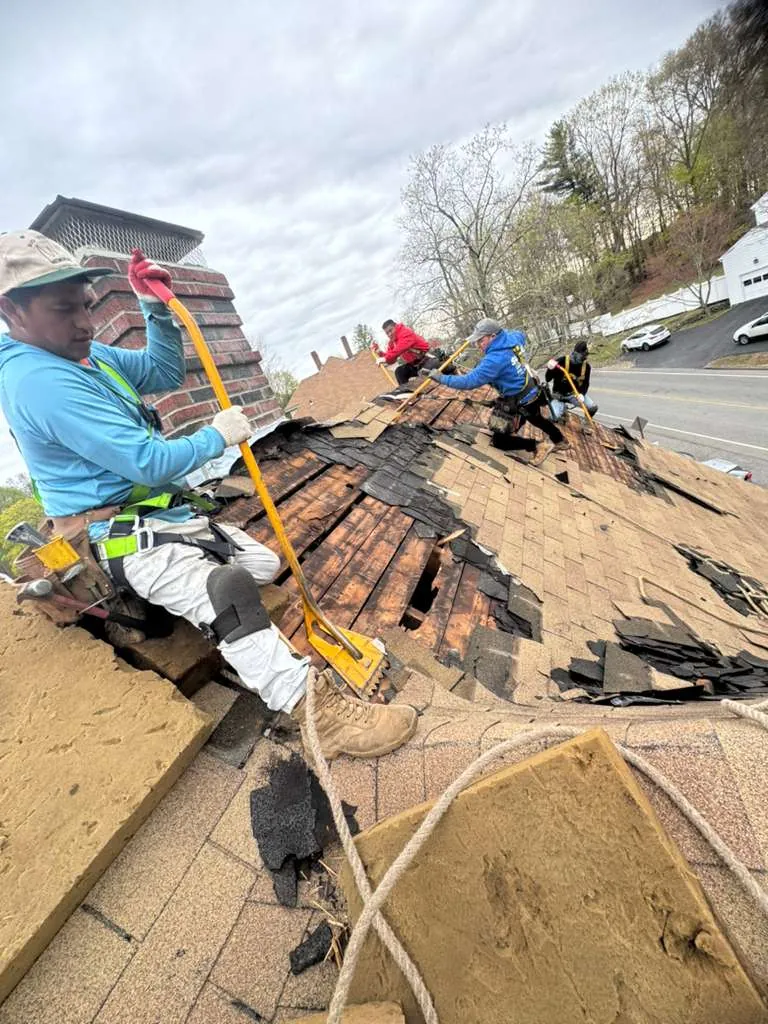
- Free roof inspection and written estimate
- Photos of everything we find
- A written price before any work starts
- Licensed and insured in Connecticut
Sunday to Friday
What do you need?
When?
Where should we call you?
Free, no obligation. Privacy
Common roofing questions
Have us look at your roof
Free roof inspection, photos of what we find and a written price before any work. Licensed and insured in Connecticut.