
Chimney Swifts in Your Chimney: What to Do
Chimney swifts spend the summer nesting in Connecticut chimneys and fly to South America for the winter. Here’s how to share the house for a season and plan the cap for after they go.
Sunday to Friday
If chimney swifts are nesting in your chimney, leave them alone until they migrate. They’re protected under the federal Migratory Bird Treaty Act, and an active nest can’t be disturbed without a federal permit. Keep the damper closed so birds can’t get into the house, and schedule cleaning and a cap for after they leave in late summer or early fall, or for early spring before they return.
How to tell it’s chimney swifts
Chimney swifts are small, sooty gray-brown birds often described as a cigar with wings. They spend nearly their whole lives in the air, can’t perch on branches or wires, and cling to vertical surfaces instead, which is why rough masonry chimneys suit them so well.
The giveaway is sound. Adults twitter as they fly over the house, and you may see them drop into the chimney at dusk. Once the young hatch, the chimney fills with loud, raspy chattering every time a parent comes back with food. It’s startling, but it’s temporary.
Not every bird in a chimney is a swift. Starlings and other birds also nest in uncapped flues, and raccoons and squirrels move in too. Our guide to birds and animals in the chimney covers those situations.
Swift, or something else in the flue?
Sound and timing are the easiest ways to narrow it down. If it isn’t swifts, the rules and the fix are different.
Chimney swifts
Twittering overhead and birds dropping into the chimney at dusk; loud, rhythmic chattering from inside during mid-summer when the young are fed.
Other nesting birds
Rustling and chirping near the top of the flue, often with straw, grass or twigs falling onto the smoke shelf or into the firebox.
Raccoons
Heavy thumps and scratching, often from the smoke shelf, and sometimes chittering from young in spring. Don’t try to handle them yourself.
Squirrels
Frantic scratching during the day, usually an animal that fell in and can’t climb back up a smooth flue.
Chimney symptom checker
Tick what you have noticed and see what it usually means.
Lighting a fire, using smoke or chemicals, or pulling out a nest with eggs or young can kill protected birds and can bring federal penalties. A reputable sweep will decline to remove an active nest. The right move is to wait out the season.
Why they’re protected, and what that means for you
Chimney swifts are covered by the Migratory Bird Treaty Act, a federal law that protects native migratory birds, their eggs and their active nests. Disturbing an active nest requires a federal permit. For a homeowner with swifts in the chimney, the practical answer is simply to wait until the birds have gone.
Their numbers have dropped considerably over recent decades, and one reason is that the open masonry chimneys they depend on are disappearing as homes are capped, relined or remodeled. That’s why wildlife groups encourage people who don’t use a chimney to consider leaving it open for swifts.
Connecticut’s state wildlife agency notes that swifts don’t pose a disease risk to people and don’t affect how the chimney works. The main issues for you are noise and the chance of a bird slipping into the house.
Living with swifts for a season
These steps keep the birds safe and your house free of surprises until they move on.
- Keep the fireplace damper closed so birds can’t come down into the room. A damper that won’t close can be fixed later through damper repair.
- If the fireplace has no working damper, conservation groups suggest wedging a block of foam rubber into the throat; leave a note in the firebox so it comes out before any fire.
- Close glass fireplace doors if you have them.
- If a bird does get inside, close interior doors, dim the room, and open a window or outside door so it can find its way out.
- Note when the chattering stops; that usually means the young have left the nest.
- Plan the sweep, and any cap, for after the birds have gone for the season.
When the chimney can be cleaned and capped
Swifts spend the winter in South America. In Connecticut they generally arrive in late April or May and head south in late summer or early fall. Exact timing varies from year to year, so go by what you observe rather than a calendar date. Once the chimney has been quiet for a while and you no longer see birds dropping in at dusk, it’s time to plan the work.
Two windows work well. Fall, after they’ve left, lets you sweep, inspect and cap before the heating season. Early spring, after you’ve stopped burning and before they return, is the timing Connecticut’s wildlife agency suggests for cleaning.
The old nest is a small half-cup of twigs glued to the flue wall with saliva. It doesn’t usually block the flue the way a squirrel or starling nest can, and it comes off during a normal sweep.
Cap it, or leave it for the swifts?
Whether to cap after the birds leave depends on how you use the chimney. If you’re not using it at all, our guide to what to do with an unused chimney lays out the wider options.
| Your chimney | Usual recommendation | Why |
|---|---|---|
| Fireplace you use regularly | Sweep, then cap after the birds leave | Keeps out rain, birds and animals, and stops a new nest forming in a flue you’ll be lighting fires in. |
| Flue with a stainless or other metal liner | Cap it | Swifts can’t grip smooth metal and can become trapped inside a lined flue. |
| Flue serving an oil or gas appliance | Cap it | Exhaust flues need to stay clear and draft properly all year. |
| Unused, unlined masonry chimney | Your choice | Some homeowners leave it open for swifts; keep the damper closed and the crown in good shape. |
How A Class handles swift season
If you hear chattering, call (203) 779-6787 or request a callback and let us know. We won’t remove an active nest. Instead we’ll book your visit for after the birds have gone, and in the meantime we’re happy to answer questions about the damper and keeping birds out of the living space.
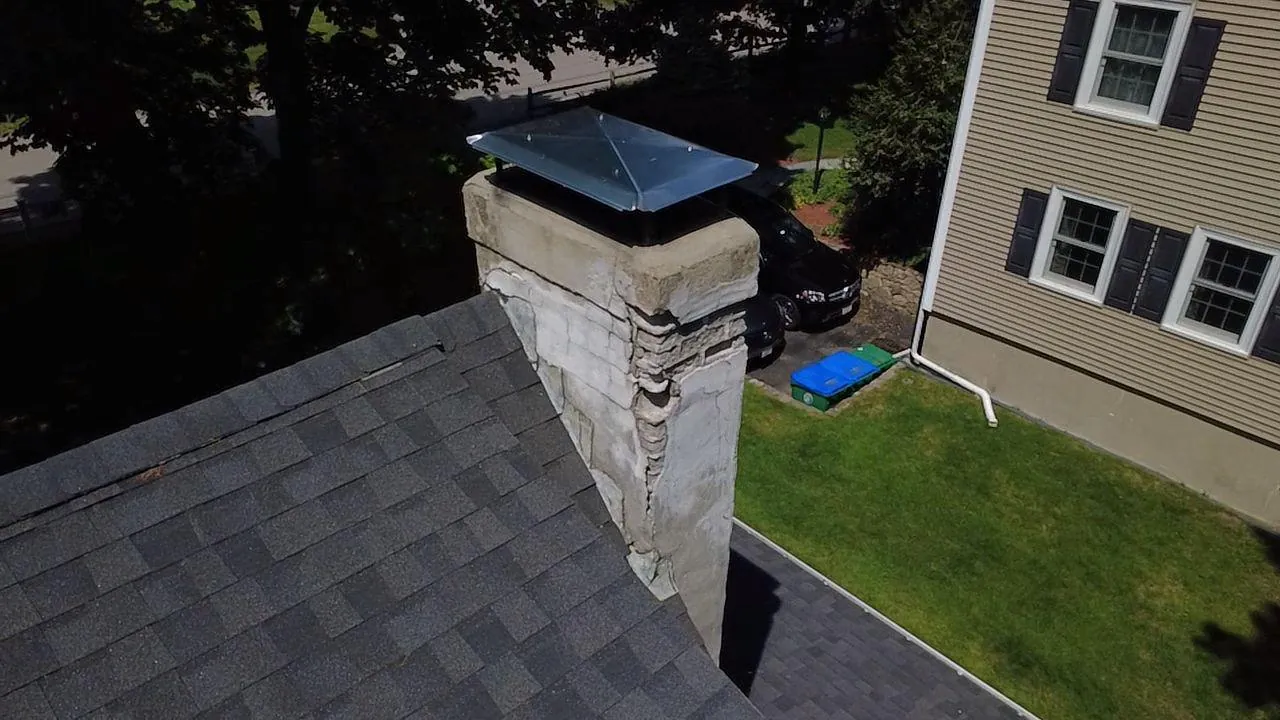
When the chimney has gone quiet, we come out for a $59 inspection visit, photograph the top (a drone shows the crown and flue opening without anyone climbing), and check the flue with a camera. If there’s any sign the birds are still using it, the cleaning waits. Then you get a written price for the sweep and, if you want one, a stainless chimney cap. Caps typically run $150–$600 installed as a 2026 ballpark; the confirmed price for yours comes in writing after the visit.
Prefer we call you?
Three quick taps and a real person from A Class Chimney calls you back to set up a $59 on-site inspection.
- $59 on-site visit and written estimate
- Photos of everything we find
- A written price before any work starts
- Licensed and insured in Connecticut
Sunday to Friday
What do you need?
When?
Where should we call you?
Free, no obligation. Privacy
Common questions
Have us take a look
$59 on-site visit, photos of what we find and a written price before any work. Licensed and insured in Connecticut.